

Do you ignore your wastewater system until it fails? Imagine walking across your facility grounds. Suddenly, the unmistakable stench of hydrogen sulfide hits you. Worse still, you might find a sewage backup flooding your commercial landscaping. A neglected Package Sewage Treatment Plant inevitably causes costly breakdowns. These messy failures disrupt daily operations and incur heavy environmental fines.
Unlike a basic passive septic tank that merely settles solids, modern package plants are highly efficient active biological reactors. These dynamic systems rely on living bacterial colonies. They also utilize continuously moving parts like rotary blowers, transfer pumps, and delicate filtration membranes. Therefore, routine maintenance is legally and functionally essential. In this comprehensive guide, we break down the exact servicing schedules required to keep your infrastructure running smoothly. Furthermore, we will explore the specific factors impacting your maintenance needs based on unique system architectures.
General Baseline: Most commercial and residential wastewater systems require professional mechanical servicing one to two times per year, alongside routine desludging.
Technology Matters: Maintenance frequencies and protocols vary significantly. An MBR setup requires vastly different chemical interventions compared to an MBBR configuration.
Proactive vs Reactive: Implementing monthly visual and auditory checks by on-site facility managers can prevent the vast majority of catastrophic mechanical failures.
The Cost of Neglect: Skipping scheduled maintenance directly results in environmental compliance violations, foul odors, and expensive component replacements.
For facility managers and property owners seeking a definitive baseline, wastewater treatment infrastructure cannot be treated as a buried trash can. To ensure the biological health of the ecosystem and the mechanical integrity of its components, you must adopt a tiered approach to system care.
These non-invasive inspections are performed by the property owner or facility management team. The primary goal is to monitor baseline operations. Typical tasks include checking the control panel for active fault alarms. You should also listen to the air blowers for irregular vibrations. Visually ensure the final effluent discharge remains clear and odorless.
This phase requires a certified wastewater technician. Professional servicing involves a comprehensive diagnostic of all moving parts. Specifically, engineers will inspect and clean compressor air filters. They test the functionality of pump float switches and measure dissolved oxygen levels in the aeration chamber. Technicians also ensure diffusers are distributing air evenly across the tank bottom.
It is crucial to understand that desludging is not synonymous with mechanical servicing. Desludging refers to the physical extraction of accumulated solid waste from the primary settlement tank using a licensed vacuum tanker. While these two tasks often occur during the same visit for convenience, they address entirely different operational necessities.
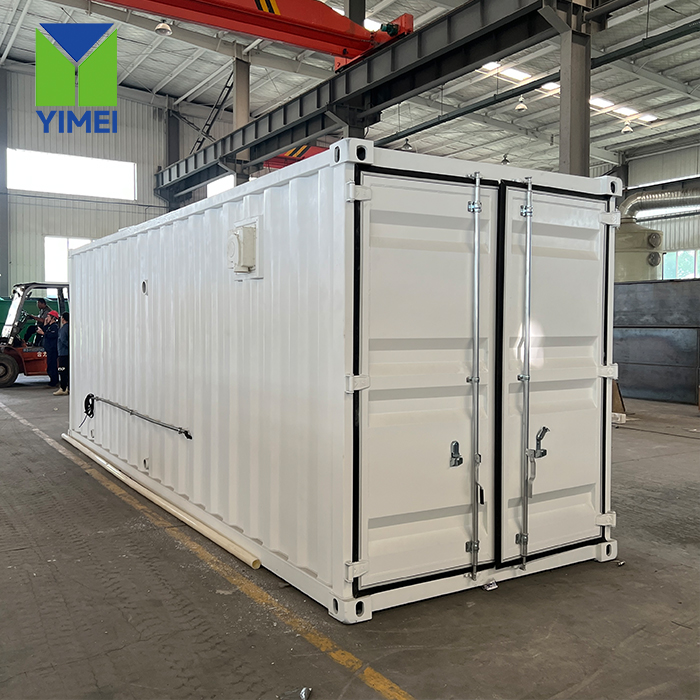
Recent industry analyses reveal a massive shift in how commercial and residential wastewater systems are managed. Historically, maintenance was entirely reactive. Facility managers simply called a technician when the tank overflowed. Today, the trend is moving rapidly toward predictive maintenance powered by Internet of Things technology.
Modern package plants are increasingly outfitted with smart sensors. These devices monitor dissolved oxygen levels, trans-membrane pressure, and pump amperage in real-time. By transmitting this data to cloud-based dashboards, facility managers receive alerts on their smartphones before a minor pressure drop turns into a catastrophic blower failure. In addition to technological upgrades, regulatory bodies worldwide are tightening effluent discharge standards. This regulatory pressure forces property owners to abandon the outdated reactive mentality. Proactive service contracts are now the industry standard to guarantee compliance and protect local aquifers.
While the standard bi-annual rule applies broadly, your specific schedule must be calibrated to your site's unique operational realities. Several variables can rapidly accelerate the wear and tear on your equipment.
A treatment plant is engineered for a specific hydraulic and biological load, generally measured in population equivalent metrics. If a system designed for one hundred people consistently operates at maximum capacity, the mechanical components run continuously. Consequently, this high-load environment necessitates more frequent servicing. Quarterly visits are often required compared to a unit operating comfortably at half capacity.
The chemical and physical composition of the raw sewage entering the plant heavily dictates intervention frequency. High concentrations of fats, oils, and greases from commercial kitchens can quickly coat sensors and suffocate aerobic bacteria. Similarly, introducing harsh industrial chemicals, heavy bleach, or non-biodegradable solids like wet wipes will disrupt the biological process. This inevitably triggers emergency cleanouts.
Compliance with local environmental protection agencies is a non-negotiable factor. Depending on your jurisdiction and the sensitivity of the receiving water body, regulators may legally mandate specific servicing intervals. Many discharge permits strictly require the submission of annual maintenance logs and effluent laboratory testing results to prove the system operates within legal limits.
Like any mechanical infrastructure, the mean time between failures decreases as the system ages. A newly commissioned plant might run flawlessly on an annual schedule. However, systems older than seven years often experience degradation in blower diaphragms, diffuser membranes, and pump seals. This makes bi-annual check-ups a prudent financial decision.
The internal technology of your unit dictates not only the quality of the effluent but also the strictness and focus of the servicing routine. A one-size-fits-all approach simply does not work for advanced biological reactors. Let us look at the specific engineering requirements for different systems.
A Moving Bed Biofilm Reactor utilizes thousands of suspended plastic carriers within the aeration tank. These provide a vast surface area for beneficial bacteria to thrive. When servicing a MBBR sewage treatment plant, technicians must carefully inspect the media retention screens. Containerized, energy-saving models rely on optimized aeration to keep these carriers in motion. If the retention screens degrade, the plastic carriers can escape into the secondary clarifier. This causes severe pipe blockages. Furthermore, the aeration grids require close inspection to ensure they provide enough turbulence. Stagnant media inevitably leads to biological dead zones.
Membrane Bioreactors combine biological treatment with ultrafiltration membranes. They produce exceptionally high-quality effluent often suitable for industrial reuse. However, they are highly maintenance-intensive. The core of an MBR packaged sewage treatment plant is the physical membrane featuring microscopic pores. Service engineers must meticulously monitor the trans-membrane pressure to detect fouling on these robust stainless steel units. Maintenance requires highly specific chemical cleaning processes. Clean-In-Place procedures using sodium hypochlorite or citric acid are necessary to dissolve scaling. Strict adherence to sludge removal is also vital, as high suspended solids will irreversibly damage the delicate membranes.
This traditional, highly reliable biological process relies on long hydraulic retention times and continuous aeration to break down organic matter. Because an Extended aeration packaged sewage treatment plant typically operates as an automatic compact unit without primary settlement tanks, the aeration chamber handles raw influent directly. Servicing heavily focuses on monitoring the sludge volume index to ensure the biomass settles correctly. Since the bacteria require a constant, uninterrupted supply of oxygen to survive long retention times, maintaining blower health is the absolute highest priority during any site visit.
Technology Type | Recommended Service Frequency | Key Maintenance Focus | Typical Application |
|---|---|---|---|
MBBR | Every 6 to 12 Months | Media retention screens, aeration grid turbulence, blower filters. | Containerized municipal and commercial upgrades. |
MBR | Quarterly to Bi-Annually | Trans-membrane pressure monitoring, chemical membrane cleaning. | Industrial wastewater, high-grade water reuse projects. |
Extended Aeration | Every 6 to 12 Months | Sludge volume index, continuous blower health, dissolved oxygen. | Automatic compact residential and small community setups. |
To maximize the lifespan of your wastewater infrastructure, responsibilities must be divided between day-to-day operators and specialized wastewater engineers. Understanding the boundary between basic upkeep and professional intervention prevents accidental equipment damage.
Facility managers should integrate these non-technical checks into their monthly facility audits. Grab a flashlight and perform the following:
Visual Alarm Check: Inspect the main control panel. Ensure no red warning lights or beacon alarms are illuminated.
Auditory Blower Check: Stand near the plant housing and listen. A healthy blower emits a smooth, consistent hum. Rattling or excessive vibration indicates failing bearings.
Effluent Inspection: Safely observe the final sampling chamber. The treated water should be relatively clear and free of distinct sewage odors.
Ventilation and Vegetation: Ensure that the air vents on the covers are not blocked by overgrown grass, leaves, or snow. The system needs to breathe properly.
When a certified technician arrives for the bi-annual or annual service, they execute tasks requiring specialized diagnostic tools and safety training. I have seen blowers melt down simply because these steps were skipped:
Filter and Diaphragm Replacement: Cleaning or replacing the air intake filters on compressors prevents thermal overload.
Electrical Diagnostics: Testing pump float switches, measuring amperage draw on motors, and verifying control panel wiring integrity.
Biological Health Testing: Measuring dissolved oxygen levels and taking core samples of the mixed liquor to assess bacterial colony health.
Diffuser Maintenance: Hoisting the aeration grids to clean or replace fine-bubble diffusers clogged with calcium buildup.
Even with a strict preventative maintenance schedule in place, mechanical components and biological processes can occasionally experience unexpected disruptions. Ignoring early symptoms often leads to catastrophic equipment breakdowns. If you observe any of the following warning signs, book a professional diagnostic inspection immediately.
A properly functioning aerobic wastewater system should emit little to no noticeable odor. Healthy bacteria produce odorless carbon dioxide and water. However, if the aeration system fails, oxygen levels plummet. The environment quickly becomes anaerobic, allowing different bacterial strains to take over. These anaerobic bacteria release hydrogen sulfide gas, producing a pungent rotten egg smell. If this odor lingers around the tank lids, the biological process is already severely compromised.
Your wastewater infrastructure relies on precise hydraulic flow rates. When toilets flush slowly or sinks take longer to drain, it indicates a severe hydraulic bottleneck. In a biological treatment plant, this frequently points to a failed effluent discharge pump or a jammed float switch. It could also mean the primary settlement chamber has reached maximum sludge capacity. Left unaddressed, untreated sewage will back up into the facility.
The primary objective of any wastewater system is to produce clear, environmentally safe effluent. Periodically inspect the final sampling chamber. If the water appears dark, cloudy, or contains visible suspended solids, the treatment process is failing. This murky runoff indicates that organic matter is passing through undigested. Discharging this low-quality effluent will rapidly clog your drainage field and trigger severe compliance violations.
Modern wastewater systems are equipped with sophisticated telemetry systems designed to monitor internal conditions. An active visual or auditory alarm is not a mere suggestion. It is a critical diagnostic alert. Common triggers include high water levels, loss of air pressure, or tripped circuit breakers due to electrical shorts. Never silence an alarm without thoroughly investigating the root cause.
Air compressors and submersible pumps are designed to operate with a smooth hum. If you begin to notice loud grinding, squealing, or rattling coming from the blower housing, immediate intervention is required. Grinding noises often indicate failing bearings within the rotary lobe blower. Addressing these friction issues early can mean the difference between a minor part replacement and a highly expensive complete motor failure.
Many property owners view wastewater maintenance as an optional expense. They choose to defer servicing to save money in the short term. In reality, neglecting routine care inevitably triggers a cascade of hidden costs that far exceed the price of an annual service contract.
Wastewater environments are inherently harsh. They expose mechanical parts to moisture and corrosive gases. Without regular servicing, minor issues escalate. For example, if a blower air filter is not replaced, the compressor must work twice as hard to draw in oxygen. This leads to thermal overload and motor burnout. Replacing a seized industrial blower costs significantly more than years of basic filter changes.
Local environmental protection agencies strictly regulate the biochemical oxygen demand and total suspended solids of discharged effluent. A neglected system will fail to treat wastewater effectively. This results in the discharge of raw sewage into local rivers or aquifers. If your system is found polluting the environment, you face massive financial penalties and mandatory remediation orders.
When a treatment plant fails hydraulically, the resulting sewage backup devastates the surrounding property. Untreated effluent escaping from tank covers saturates the soil, creating a severe biological health hazard. The contaminated soil often must be professionally excavated. Furthermore, if the soakaway becomes clogged with solid waste, the entire subterranean drainage network may need reconstruction.
A properly commissioned and meticulously maintained treatment plant features a structural tank lifespan of up to fifty years. Mechanical components can last nearly a decade before requiring refurbishment. Conversely, a neglected system subjected to constant acidic buildup and mechanical strain can suffer catastrophic failure in under five years. This forces a premature capital expenditure for total replacement.
Realizing the importance of maintenance is only the first step. Executing it correctly requires partnering with the right wastewater professionals. Hiring a standard septic tank pumper to inspect a complex bioreactor is a recipe for disaster. Evaluate potential service partners and equipment suppliers based on technical competency and resource availability.
A qualified service provider must hold specific credentials related to wastewater engineering. Ensure their technicians are certified for confined space entry and electrical safety. Furthermore, verify if they are manufacturer-approved service agents. A technician must understand the precise dissolved oxygen requirements and sludge return ratios specific to your equipment brand.
Wastewater technology varies significantly. If a provider only has experience with basic gravity-fed septic tanks, they will likely misunderstand the biofilm dynamics of advanced suspended media systems. They might even damage delicate ultrafiltration membranes during a chemical backwash. Always ask for case studies related to your specific plant architecture.
When a critical component like an aeration blower fails, the biological bacteria inside the tank begin to die off within forty-eight hours. Therefore, your service partner must maintain a localized inventory of critical spare parts. Ask about their emergency response times. A partner with well-stocked service vehicles minimizes downtime and prevents complete biological collapse.
Professional maintenance partners offer structured service level agreements. Look for contracts that include automated scheduling, guaranteed emergency response times, and detailed digital reporting. These post-service reports documenting effluent clarity, dissolved oxygen readings, and mechanical conditions are exactly what environmental regulators require to prove legal compliance.
Your wastewater treatment infrastructure is a substantial property investment and a critical component of environmental stewardship. Regular, proactive servicing ensures operational safety, maximizes asset lifespan, and prevents devastatingly expensive mechanical failures.
Commit to scheduling professional mechanical maintenance at least once a year. Always coordinate routine desludging to keep the biological ecosystem thriving. Never ignore early warning signs like foul odors or control panel alarms. By partnering with certified wastewater engineers and selecting the right modular equipment, you protect your facility from unexpected downtime and secure long-term regulatory compliance. Explore modular, efficient, and highly durable wastewater solutions tailored to your project requirements at Qingdao Yimei Environment Project Co., Ltd. today.
No, they are entirely different but equally essential procedures. Emptying is a purely physical process where a vacuum tanker removes accumulated solid waste from the primary settlement chambers. Servicing is a comprehensive engineering inspection where a technician evaluates mechanical components, tests electrical panels, cleans air filters, and measures the biological health of the system. A system can be emptied but still fail mechanically if it is not properly serviced.
Absolutely not. You must never disconnect the power supply to an active wastewater system. Advanced biological systems rely entirely on living, aerobic bacteria to digest organic waste. These microorganisms require a continuous, uninterrupted supply of oxygen. If you cut the power, the air blowers stop, oxygen levels plummet, and the bacteria die within hours. This leads to horrific odors, untreated sewage discharge, and a costly biological restart.
A biological treatment plant is strictly designed to handle human waste, toilet paper, and standard wastewater. You must avoid flushing non-biodegradable items like flushable wipes, sanitary products, diapers, or cotton swabs. These wrap around pump impellers and cause severe blockages. Additionally, keep fats, oils, and greases out of the drain, as they suffocate the bacteria. Heavy antibacterial cleaners, bleach, paint, and industrial solvents will instantly kill the vital bacterial colonies required for digestion.
The lifespan of the system is divided into structural and mechanical categories. With diligent servicing, the main structural tanks typically manufactured from high-density polyethylene, fiberglass, or stainless steel can easily last between twenty and fifty years. However, mechanical and electrical components endure constant operational stress. Items such as air blowers, submersible pumps, and aeration diffusers typically have a functional lifespan of five to ten years before requiring refurbishment or replacement.
Missing a scheduled service allows minor mechanical wear to escalate into major failures. Air filters become clogged, forcing blowers to overheat and eventually burn out. Furthermore, unchecked sludge buildup can overflow into the secondary treatment chambers, smothering the aerobic bacteria and discharging raw sewage into the environment. This neglect often results in emergency repair bills that far exceed the cost of routine maintenance.
Maintenance costs vary based on the system size, technology type, and local labor rates. A standard bi-annual mechanical service for a commercial unit generally ranges from a few hundred to a over a thousand dollars annually. Desludging via a vacuum tanker incurs a separate fee depending on the volume of waste removed. While this may seem like a recurring expense, it is a fraction of the cost associated with replacing a seized industrial blower or paying environmental pollution fines.
