| Availability: | |
|---|---|
| Quantity: | |
Key Features & Advantages
1. High-Capacity for Demanding Textile Volumes
This clarifier is built for High-Throughput Textile Effluent Treatment. Its inclined plate (lamella) design provides a large effective settling area within a compact footprint, enabling it to process substantial flows typical of textile mills. It ensures continuous, reliable solids removal even under high hydraulic loads, supporting uninterrupted factory production.
2. Optimized for Secondary Treatment Clarification
Specifically engineered as a Secondary Treatment Clarifier, it targets the separation of fine solids generated in biological reactors (like activated sludge). It efficiently thickens and removes biological sludge and residual chemical flocs from dye/coagulant processes, producing a clear supernatant crucial for final compliance or advanced filtration.
3. Robust Performance for Complex Textile Wastewater
Constructed with materials resistant to dyes and chemicals, it addresses the unique challenges of Textile Dye Wastewater Treatment. The design mitigates issues like floc buoyancy or fiber interference, ensuring consistent sludge settling and removal. This results in stable operation, reduced polymer consumption, and consistently low effluent turbidity.
Application Scenarios
1. Post-Biological Treatment in Dyeing & Finishing Mills
Serves as the essential final clarifier following activated sludge or other biological systems in textile factories, removing biosolids before discharge or further tertiary treatment.
2. Integrated Physico-Chemical + Biological Treatment Trains
Used after coagulation-flocculation units that treat dye baths, separating the generated chemical sludge to prepare wastewater for subsequent biological degradation or final discharge.
3. Water Recycle & Reuse Systems
Provides critical clarification to produce sufficiently clear water for advanced treatment processes (like membrane filtration), enabling high-quality water recycling within the textile plant.
4. Effluent Treatment Plants (ETPs) for Textile Industrial Parks
Acts as a core high-capacity clarification unit in centralized treatment facilities that process combined wastewater from multiple textile manufacturing units.
Product Parameters
Model | Area (m²) | Plate size (mm) | Cake thickness (mm) | Filter chamber volume (L) | Plate Qty (pcs) | Filtration pressure (Mpa) | Motor Power (Kw) | Weight (Kg) | Dimensions | Foundation Size(mm) | ||||||||||||||||||||
L | B | D | H | |||||||||||||||||||||||||||
X^Z100/1250-30UR | 100 | 1250×1250 | 30 | 1468 | 36 | ≥0.6 | 4.0 | 8307 | 5430×1900×1630 | 3970 | 850 | 1740 | 995 | |||||||||||||||||
X^Z120/1250-30UR | 120 | 1746 | 43 | 9308 | 5880×1900×1630 | 4430 | ||||||||||||||||||||||||
XZ150/1250-30UR | 150 | 2250 | 55 | 11000 | 6400×1900×1630 | 5210 | ||||||||||||||||||||||||
X^Z160/1250-30UR | 160 | 2341 | 58 | 11492 | 6860×1900×1630 | 5400 | ||||||||||||||||||||||||
XZ180/1250-30Uk | 180 | 2619 | 65 | 12494 | 7315×1900×1630 | 5860 | ||||||||||||||||||||||||
X^Z200/1250-30U& | 200 | 2896 | 72 | 13504 | 7770×1900×1630 | 6310 | ||||||||||||||||||||||||
X^Z220/1250-30Uk | 220 | 3214 | 80 | 14652 | 8290×1900×1630 | 6830 | ||||||||||||||||||||||||
X^Z250/1250-30UR | 250 | 3650 | 91 | 16227 | 9010×1900×1630 | 7550 | ||||||||||||||||||||||||
X^Z200/1500-35Uk | 200 | 1500×1500 | 35 | 3500 | 49 | ≥0.6 | 11 | 20030 | 6570×2200×1820 | 5250 | 1170 | 1990 | 1070 | |||||||||||||||||
X^Z250/1500-35Uk | 250 | 4375 | 61 | 22978 | 7395×2200×1820 | 6090 | ||||||||||||||||||||||||
X^Z300/1500-35Uk | 300 | 5250 | 74 | 26026 | 8300×2200×1820 | 6990 | ||||||||||||||||||||||||
XMZ350/1500-35Uk | 350 | 6125 | 86 | 29220 | 9120×2200×1820 | 7840 | ||||||||||||||||||||||||
X^Z400/1500-35Uk | 400 | 7000 | 99 | 32574 | 10050×2200×1820 | 8750 | ||||||||||||||||||||||||
X^Z450/1500-35Uk | 450 | 7875 | 111 | 35586 | 10860×2200×1820 | 9590 | ||||||||||||||||||||||||
X^Z500/1500-35Uk | 500 | 8750 | 123 | 38606 | 11730×2200×1820 | 10430 | ||||||||||||||||||||||||
X^Z600/2000-40Uk | 600 | 2000×2000 | 40 | 12000 | 85 | ≥0.6 | 15 | 49000 | 11100×3000×2500 | 9200 | 1660 | 2000 | 1050 | |||||||||||||||||
X^Z700/2000-40Uk | 700 | 14000 | 99 | 53000 | 12200×3000×2500 | 10300 | ||||||||||||||||||||||||
X^Z800/2000-40Uk | 800 | 16000 | 113 | 57000 | 13350×3000×2500 | 1450 | ||||||||||||||||||||||||
X^Z900/2000-40Uk | 900 | 18000 | 127 | 61000 | 14500×3000×2500 | 12600 | ||||||||||||||||||||||||
X^Z1000/2000-40U& | 1000 | 20000 | 141 | 65000 | 15600×3000×2500 | 13830 | ||||||||||||||||||||||||
FAQ
Q: What is the typical installation and commissioning timeline?
A: As a pre-engineered Compact Lamella Clarifier, installation is swift—mainly involving placement, leveling, and connection. Commissioning can typically be completed within a few days to weeks.
Q: How skilled do operators need to be?
A: The system is designed for easy operation . We provide comprehensive manuals and training. Basic routine checks are sufficient for daily operation.
Q: Can it handle high-temperature or corrosive wastewater?
A: Yes. The Stainless Steel Lamella Clarifier variant offers excellent corrosion resistance. The inclined plates are made of chemically resistant polymers (PP/PVC) suitable for a wide pH range.
Q: What maintenance does it require?
A: Maintenance is minimal. The non-clogging design of the inclined plates (with a 60° angle) prevents sludge adhesion. Periodic sludge discharge and occasional visual inspection are typically sufficient.
Q: Do you offer overseas technical support?
A: Yes. We provide 24-hour online support , video technical guidance , and optional overseas installation and operation services .


Product Introduction |
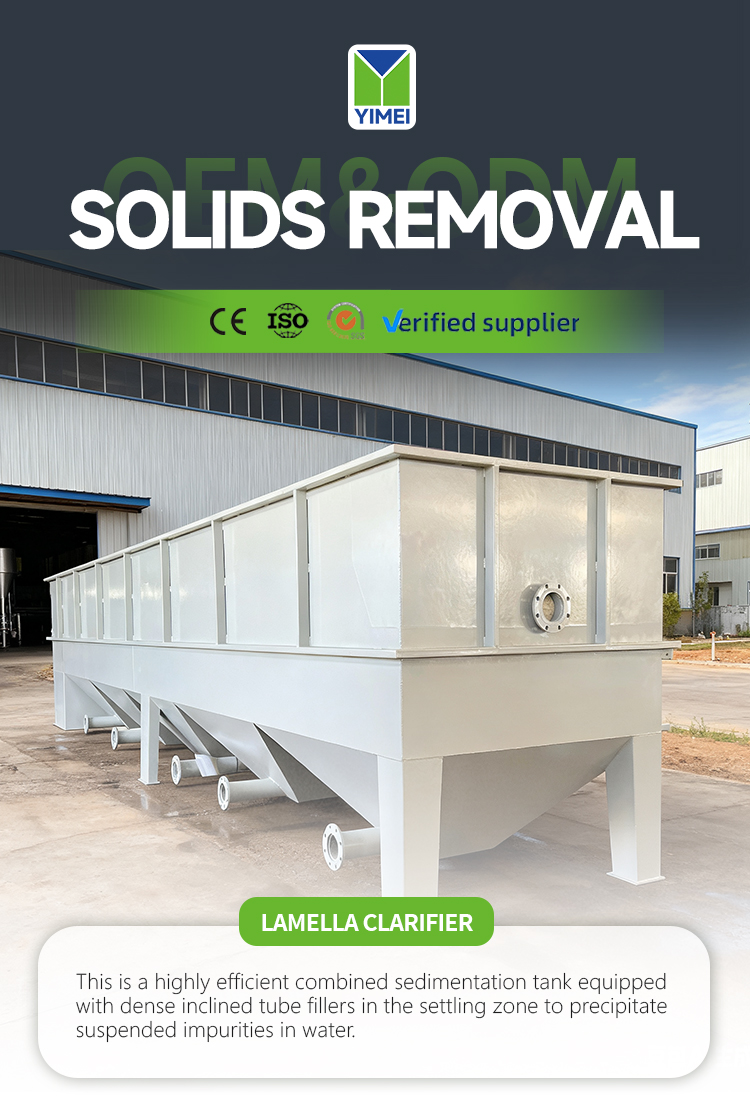
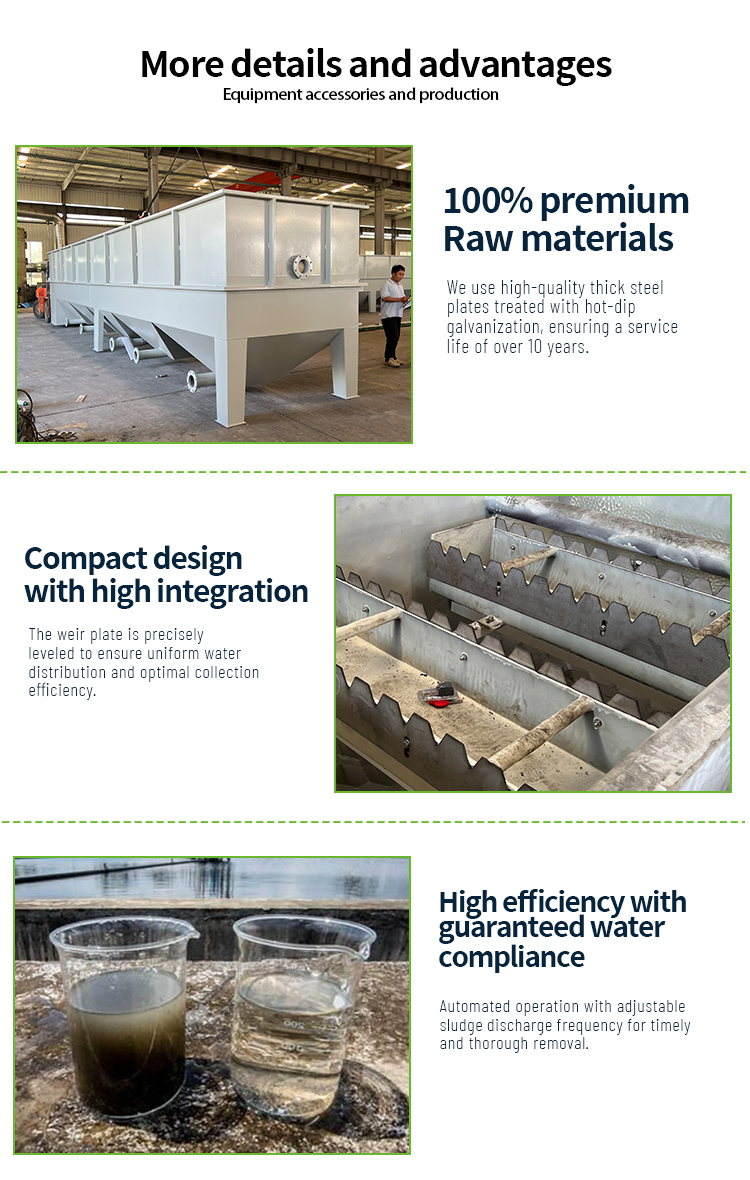
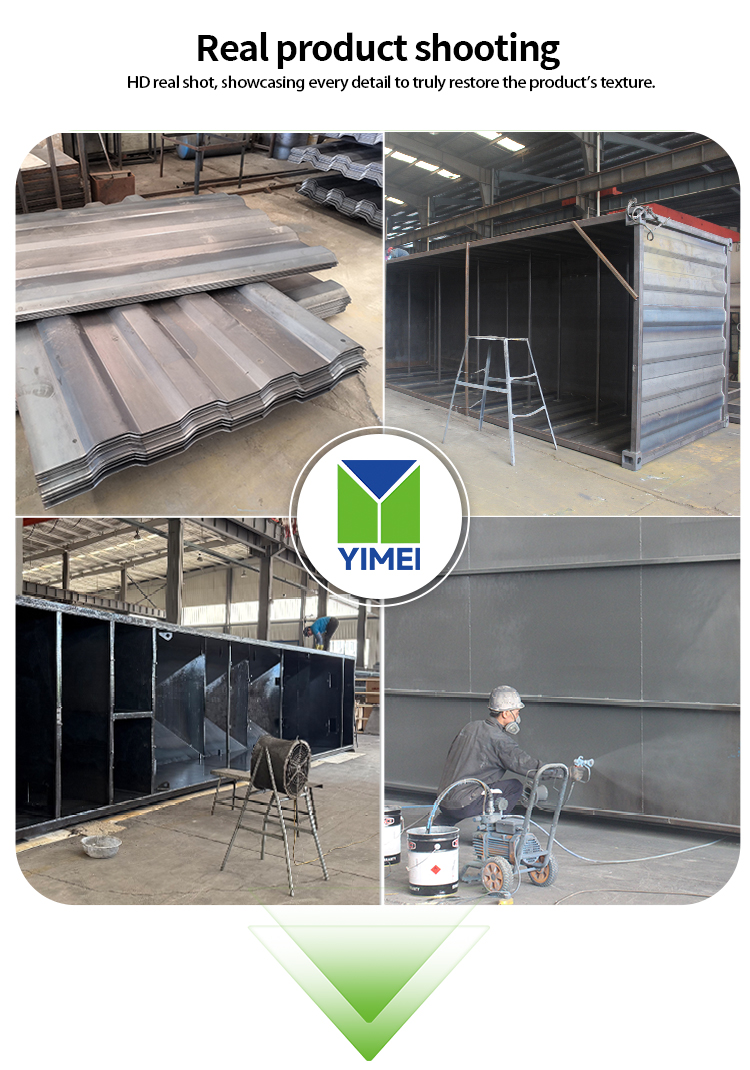
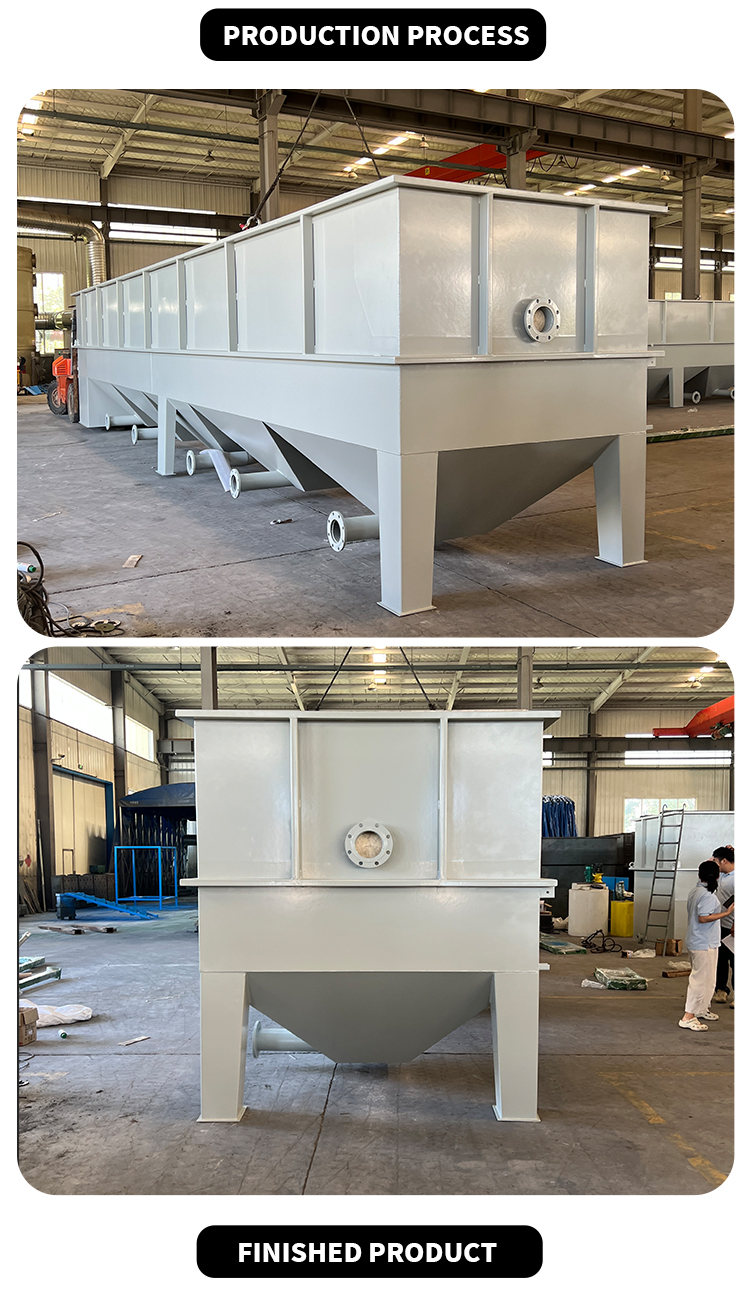
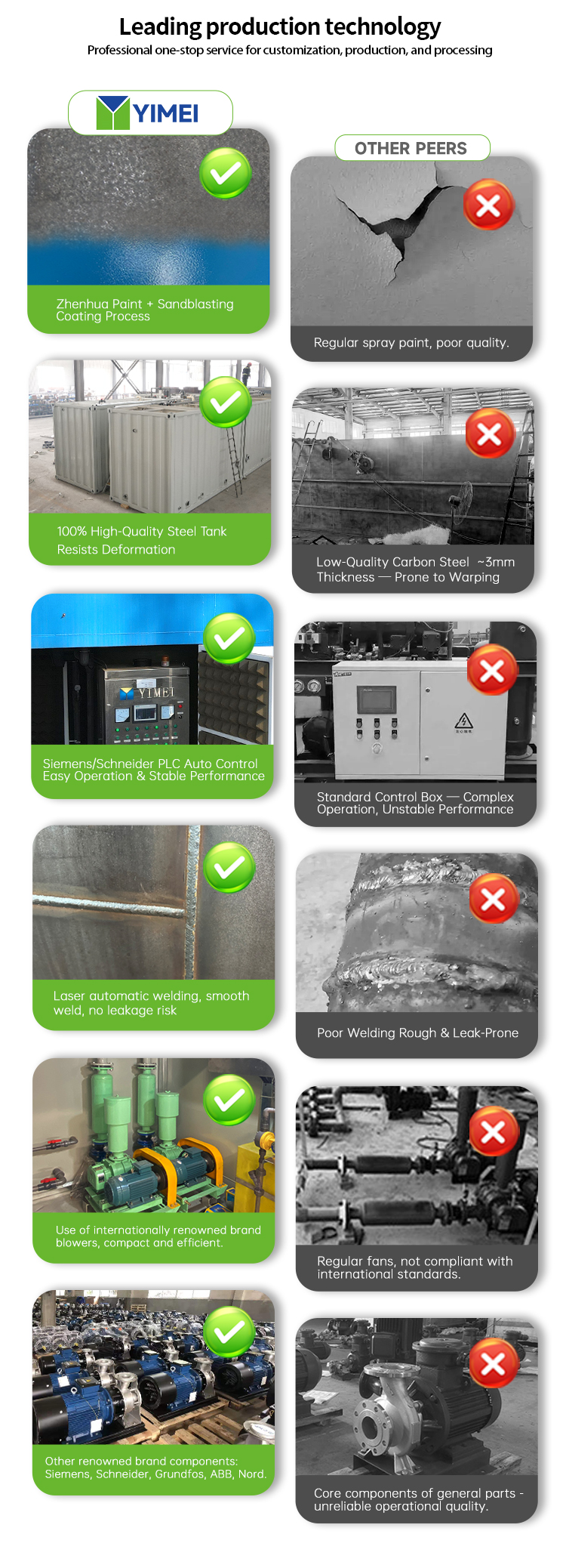
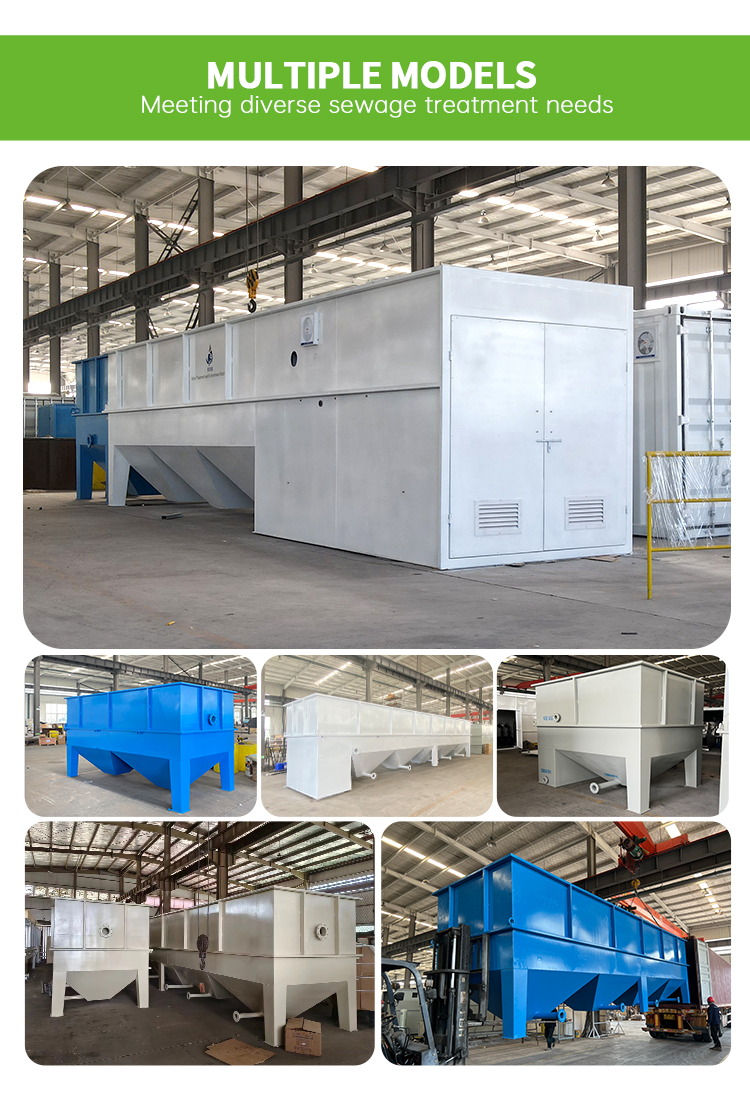
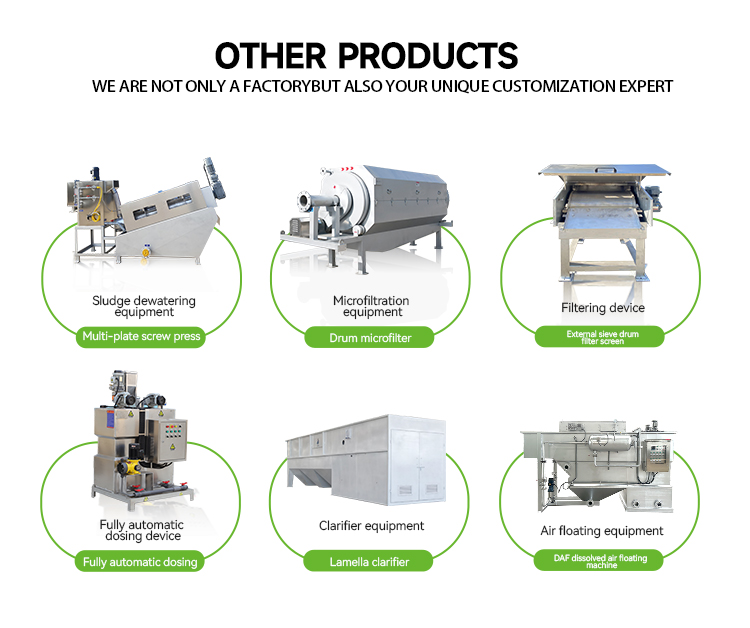
The High-Capacity Secondary Textile Wastewater Lamella Clarifier is a specialized solid-liquid separation system developed for the secondary clarification stage of textile wastewater treatment. It is designed to handle substantial wastewater flows while removing fine suspended solids, biological sludge, residual dye flocs, and chemical flocs remaining after upstream biological or physico-chemical treatment.
Wastewater generated by textile dyeing and finishing processes can contain a complex mixture of suspended materials, fibers, residual dyes, treatment chemicals, and biological solids. Even after the main pollutant-removal process, these materials must be effectively separated before the treated water proceeds to tertiary treatment, advanced filtration, recycling, or final discharge. The lamella clarifier provides this separation step by allowing settleable solids to move toward the sludge collection area while clarified water leaves through the upper section of the system.
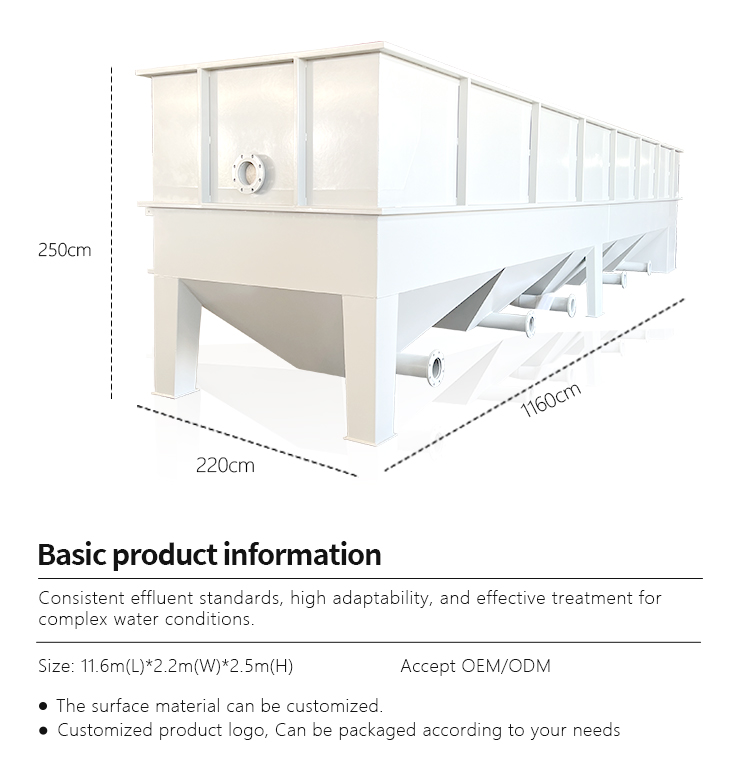
The inclined plate configuration provides a large effective settling area within a relatively compact footprint. Compared with relying only on the horizontal area of a conventional settling tank, multiple inclined plates create additional settling surfaces inside the clarifier. This configuration is particularly suitable for textile mills and centralized effluent treatment plants that need to process high wastewater volumes while making efficient use of available installation space.
The equipment can be integrated after activated sludge or other biological treatment processes to separate biosolids from treated effluent. It can also operate after coagulation and flocculation to remove chemical sludge and dye-related flocs. In textile water recycling systems, the clarifier can provide an intermediate clarification step before advanced filtration or membrane treatment.
Its combination of high-capacity clarification, compact inclined plate design, chemical-resistant plate materials, and straightforward sludge management makes it suitable for continuous textile wastewater treatment applications.
Product Parameters
Model | Area (m²) | Plate size (mm) | Cake thickness (mm) | Filter chamber volume (L) | Plate Qty (pcs) | Filtration pressure (Mpa) | Motor Power (Kw) | Weight (Kg) | Dimensions | Foundation Size(mm) | ||||||||||||||||||||
L | B | D | H | |||||||||||||||||||||||||||
X^Z100/1250-30UR | 100 | 1250×1250 | 30 | 1468 | 36 | ≥0.6 | 4.0 | 8307 | 5430×1900×1630 | 3970 | 850 | 1740 | 995 | |||||||||||||||||
X^Z120/1250-30UR | 120 | 1746 | 43 | 9308 | 5880×1900×1630 | 4430 | ||||||||||||||||||||||||
XZ150/1250-30UR | 150 | 2250 | 55 | 11000 | 6400×1900×1630 | 5210 | ||||||||||||||||||||||||
X^Z160/1250-30UR | 160 | 2341 | 58 | 11492 | 6860×1900×1630 | 5400 | ||||||||||||||||||||||||
XZ180/1250-30Uk | 180 | 2619 | 65 | 12494 | 7315×1900×1630 | 5860 | ||||||||||||||||||||||||
X^Z200/1250-30U& | 200 | 2896 | 72 | 13504 | 7770×1900×1630 | 6310 | ||||||||||||||||||||||||
X^Z220/1250-30Uk | 220 | 3214 | 80 | 14652 | 8290×1900×1630 | 6830 | ||||||||||||||||||||||||
X^Z250/1250-30UR | 250 | 3650 | 91 | 16227 | 9010×1900×1630 | 7550 | ||||||||||||||||||||||||
X^Z200/1500-35Uk | 200 | 1500×1500 | 35 | 3500 | 49 | ≥0.6 | 11 | 20030 | 6570×2200×1820 | 5250 | 1170 | 1990 | 1070 | |||||||||||||||||
X^Z250/1500-35Uk | 250 | 4375 | 61 | 22978 | 7395×2200×1820 | 6090 | ||||||||||||||||||||||||
X^Z300/1500-35Uk | 300 | 5250 | 74 | 26026 | 8300×2200×1820 | 6990 | ||||||||||||||||||||||||
XMZ350/1500-35Uk | 350 | 6125 | 86 | 29220 | 9120×2200×1820 | 7840 | ||||||||||||||||||||||||
X^Z400/1500-35Uk | 400 | 7000 | 99 | 32574 | 10050×2200×1820 | 8750 | ||||||||||||||||||||||||
X^Z450/1500-35Uk | 450 | 7875 | 111 | 35586 | 10860×2200×1820 | 9590 | ||||||||||||||||||||||||
X^Z500/1500-35Uk | 500 | 8750 | 123 | 38606 | 11730×2200×1820 | 10430 | ||||||||||||||||||||||||
X^Z600/2000-40Uk | 600 | 2000×2000 | 40 | 12000 | 85 | ≥0.6 | 15 | 49000 | 11100×3000×2500 | 9200 | 1660 | 2000 | 1050 | |||||||||||||||||
X^Z700/2000-40Uk | 700 | 14000 | 99 | 53000 | 12200×3000×2500 | 10300 | ||||||||||||||||||||||||
X^Z800/2000-40Uk | 800 | 16000 | 113 | 57000 | 13350×3000×2500 | 1450 | ||||||||||||||||||||||||
X^Z900/2000-40Uk | 900 | 18000 | 127 | 61000 | 14500×3000×2500 | 12600 | ||||||||||||||||||||||||
X^Z1000/2000-40U& | 1000 | 20000 | 141 | 65000 | 15600×3000×2500 | 13830 | ||||||||||||||||||||||||
Key Features |
The lamella clarifier is designed for high-throughput textile effluent treatment. Its inclined plate configuration increases the effective settling area inside the equipment, allowing substantial wastewater flows to be handled without requiring the same footprint as a conventional large settling basin.
This makes the equipment particularly relevant for dyeing and finishing factories where wastewater is produced continuously and clarification equipment must operate as part of the regular production wastewater treatment process.
The system is specifically suited to secondary clarification after biological treatment. Activated sludge and similar biological processes generate microbial solids while removing pollutants from wastewater. These biological solids must subsequently be separated from the liquid phase.
The lamella clarifier provides the settling environment needed to separate and collect these biosolids, producing a clearer supernatant for downstream treatment or discharge.
It can also separate residual chemical flocs produced by coagulation and flocculation processes, allowing the same clarification concept to be integrated into combined chemical and biological treatment lines.
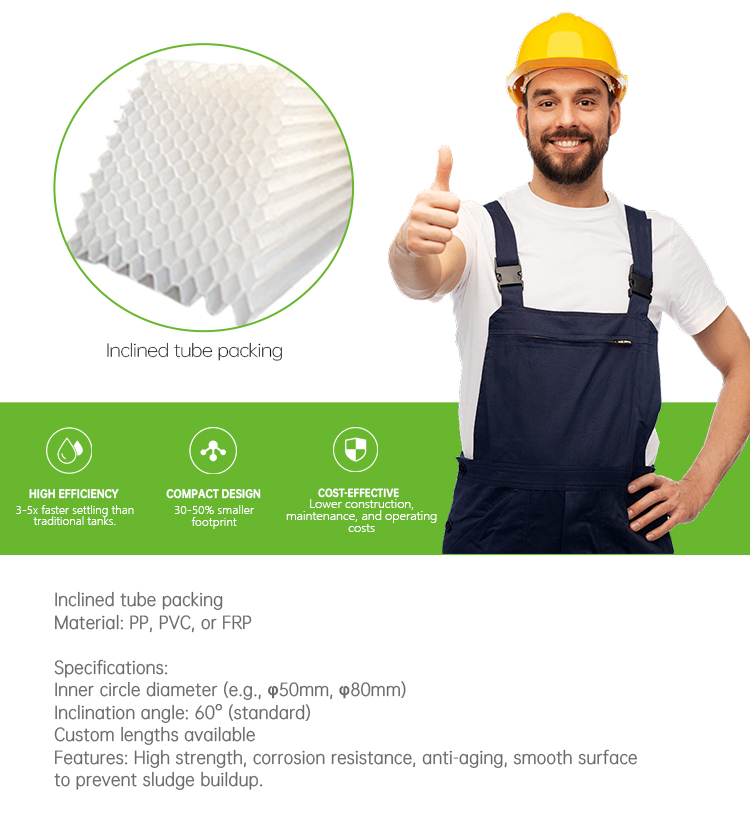
Multiple inclined plates are installed inside the settling section to provide additional separation surfaces. Suspended solids have a shorter settling distance before contacting a plate surface, after which accumulated material moves downward toward the sludge collection area.
The product uses a 60° inclined plate arrangement. This angle encourages settled sludge to slide downward rather than remaining on the plate surfaces, supporting continuous solids collection and reducing unnecessary accumulation inside the settling channels.
The inclined plates are made from chemically resistant PP/PVC materials. This is important for textile wastewater applications because wastewater may contain residual dyes, treatment chemicals, and other substances originating from production and pretreatment processes.
The product information also identifies stainless-steel configurations for applications involving more corrosive wastewater conditions, providing additional material options according to project requirements.
The clarifier is designed to handle the types of solids commonly remaining after textile wastewater treatment, including fine suspended material, biological sludge, dye-related flocs, and chemical precipitates.
Its settling structure is intended to support stable sludge separation even when wastewater characteristics are more complex than ordinary municipal sewage.
Because the inclined plates create a larger effective settling surface inside the equipment, the required clarification area can be concentrated into a smaller physical footprint.
This is useful when upgrading an existing textile wastewater treatment plant where available space may already be occupied by biological tanks, dosing equipment, filtration systems, sludge treatment units, and other process equipment.
Routine maintenance mainly focuses on sludge discharge and inspection of the inclined plate section. The 60° plate configuration helps settled material move toward the sludge collection zone, reducing the tendency for sludge to remain on the plate surfaces.
Periodic visual inspection helps operators confirm that the flow channels remain clear and that excessive fibers or solids are not accumulating between the plates.
Applications |
One of the primary applications is wastewater generated by textile dyeing and finishing plants. These production processes can generate wastewater containing suspended solids, residual dyes, fibers, treatment chemicals, and organic contaminants.
After biological or chemical treatment removes the main pollution load, the lamella clarifier provides the solid-liquid separation stage required to remove remaining sludge and flocs from the treated water.
The equipment can be installed directly after activated sludge or another biological treatment process.
During biological treatment, microorganisms convert wastewater pollutants into biological biomass. The resulting mixed liquor contains both treated water and suspended biological solids. The lamella clarifier separates these solids so that clarified effluent can continue to the next stage.
This makes the unit suitable as a secondary clarifier within a complete textile effluent treatment plant.
Textile wastewater treatment systems may use chemical coagulation and flocculation to gather fine particles and dye-related contaminants into larger flocs.
After these flocs have formed, the wastewater enters the clarification stage. The inclined plate system provides settling surfaces that allow chemical sludge and flocs to separate from the liquid.
The clarified water can then proceed to biological treatment, tertiary treatment, or final discharge according to the overall process configuration.
Textile manufacturers increasingly incorporate water recycling into wastewater treatment systems. Before wastewater enters advanced filtration or membrane treatment, suspended solids should be reduced to provide a more suitable feed stream for downstream equipment.
The lamella clarifier can function as a pretreatment clarification stage within these recycling systems. By separating biological and chemical solids before advanced treatment, it produces a clearer intermediate effluent for the next purification step.
The clarifier itself does not replace advanced filtration or membrane treatment. Instead, it provides the solid-liquid separation required before these higher-level treatment processes.
The equipment is also suitable for centralized effluent treatment plants serving textile industrial parks.
These plants may receive combined wastewater from several dyeing, printing, finishing, or other textile-processing facilities. As a result, clarification equipment must be capable of handling substantial wastewater volumes and variable solids loading.
A high-capacity lamella clarifier can serve as a central separation unit after chemical treatment, biological treatment, or a combined treatment process.
When treated wastewater requires further polishing, the clarifier can be positioned before filtration or other advanced treatment equipment.
Removing settleable suspended material at this stage reduces the amount of solids entering downstream units and creates a more consistent intermediate water stream for subsequent treatment.
The compact settling configuration also makes the equipment relevant to existing textile wastewater plants requiring additional clarification capacity.
Where available land is limited, an inclined plate clarifier can provide additional effective settling area without requiring the same footprint as a large conventional settling basin.
FAQs |
A textile wastewater lamella clarifier is used for solid-liquid separation after biological or physico-chemical treatment. It removes suspended solids, biological sludge, residual dye flocs, and chemical flocs from treated textile wastewater.
Yes. The product is specifically designed for secondary clarification and can be installed after activated sludge or other biological wastewater treatment processes to separate biological solids from the treated water.
Yes. The lamella clarifier can be installed after coagulation-flocculation treatment to separate the chemical sludge and flocs generated during the treatment of dyeing and textile wastewater.
The inclined plate structure provides multiple settling surfaces inside the clarifier. This shortens the settling distance of suspended particles and increases the effective settling area within a compact equipment footprint.
The product uses a 60° inclined plate arrangement. The inclined angle helps settled solids move downward toward the sludge collection section instead of remaining on the plate surfaces.
The product information identifies chemically resistant PP/PVC materials for the inclined plate section. These materials are suitable for wastewater environments containing dyes and treatment chemicals.
Yes. It can provide clarification before advanced filtration or membrane treatment in textile wastewater recycling and reuse systems. Its role is to remove suspended solids and produce a clearer intermediate water stream for downstream treatment.
Yes. The product is suitable for centralized effluent treatment plants serving textile industrial parks where wastewater from multiple textile manufacturing facilities is treated together.
Routine maintenance mainly includes periodic sludge discharge and visual inspection of the inclined plate section. Operators should ensure that plate channels remain clear and that accumulated solids can move normally toward the sludge collection area.
The product information identifies chemically resistant PP/PVC inclined plates and also refers to stainless-steel clarifier configurations for more corrosive wastewater conditions. The appropriate material configuration should be selected according to the actual wastewater characteristics.
Product Showcase |