| Availability: | |
|---|---|
| Quantity: | |
Advanced Hybrid Treatment Process
The core principle of this plant is a sophisticated hybrid biochemical process. It uniquely combines the strengths of the activated sludge method with a fixed biological membrane system. This dual-action approach ensures superior treatment efficiency and system resilience.
Enhanced Microbial Efficiency with Bio-Carriers
We integrate advanced biological carriers into the reactor. These carriers foster the growth and continuous renewal of diverse bacterial colonies and biofilms, dramatically increasing the contact between microorganisms and pollutants. This design is a key feature of our high-performance MBR Packaged Sewage Treatment Plant.
Multi-Stage Environment for Superior Purification
The system is engineered to sequentially create anaerobic, anoxic, and aerobic environments within a single reactor. This cyclical process enriches specialized microbial populations, intensifying the removal of organic matter (BOD/COD) and achieving advanced nutrient removal (nitrogen and phosphorus).
Robust Construction for Demanding Environments
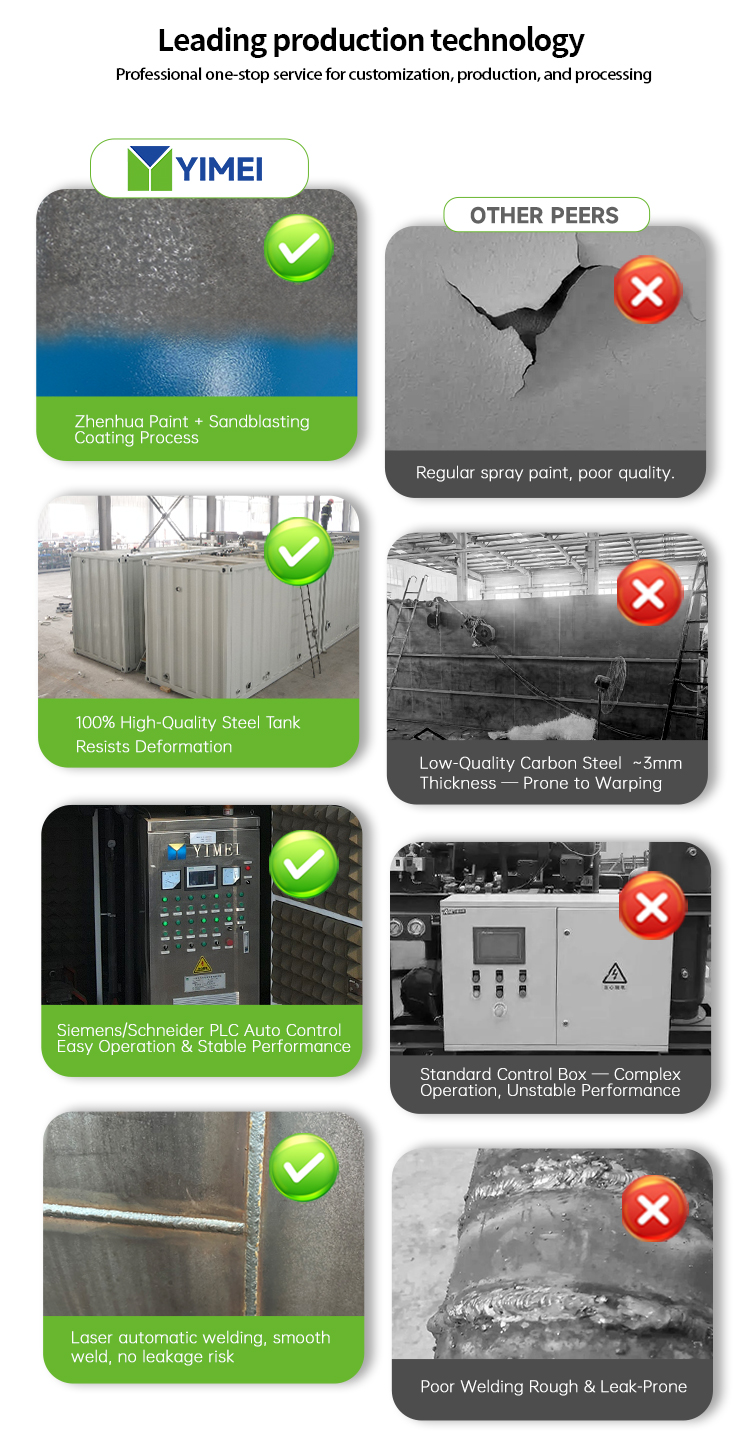
Engineered for durability, key components of our Industry Wastewater Stainless Steel Packaged Sewage Treatment Plant are constructed from high-grade stainless steel. This ensures exceptional corrosion resistance, structural integrity, and a long service life, even in challenging coastal or high-humidity conditions.
Key Advantages for Tropical & Developing Regions
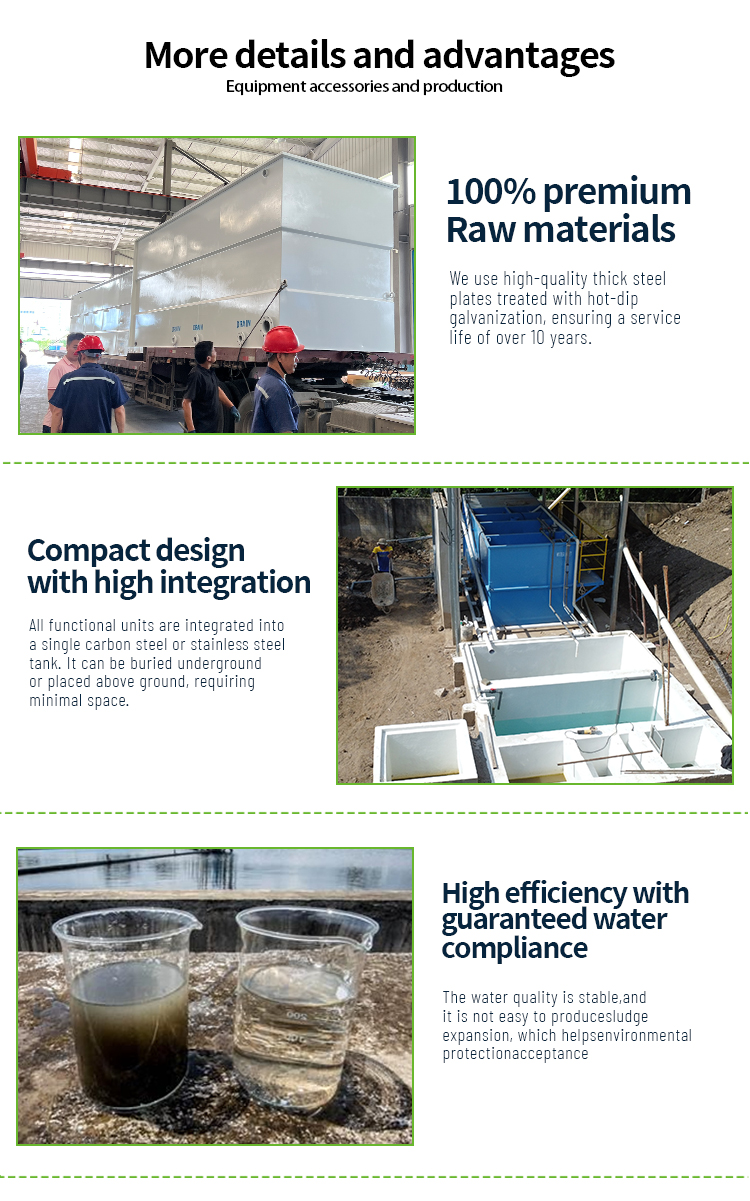
Compact & Pre-Assembled: Arrives as a skid-mounted or containerized unit, minimizing civil works and installation time—perfect for areas with limited space or technical expertise.
High Treatment Efficiency: The Industry Wastewater MBR Packaged Sewage Treatment Plant variant consistently produces high-quality effluent, suitable for safe discharge or reuse (e.g., irrigation), addressing water scarcity concerns.
Low Operational Cost: Automated controls reduce the need for constant expert supervision, while the robust process is less sensitive to inflow fluctuations.
Durability: The Stainless Steel MBR Packaged Sewage Treatment Plant offers superior resistance to harsh climates, ensuring reliability with minimal maintenance.
Product Parameters
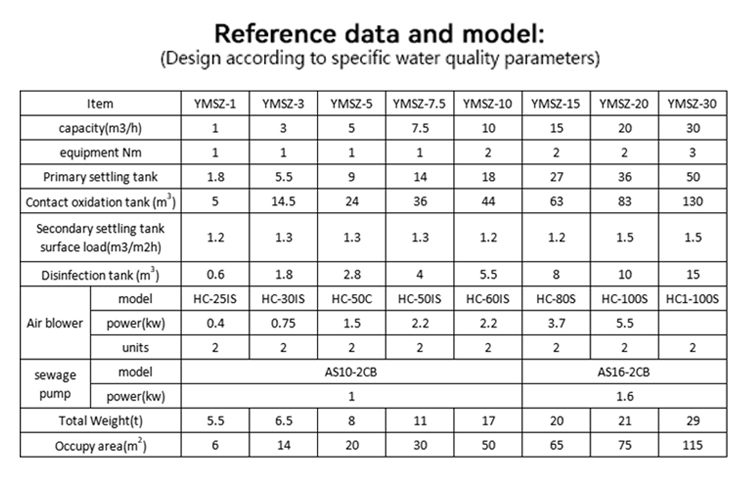
| Item | YMSZ-1 | YMSZ-3 | YMSZ-5 | YMSZ-7.5 | YMSZ-10 | YMSZ-15 | YMSZ-20 | YMSZ-30 | |
| capacity(m3/h) | 1 | 3 | 5 | 7.5 | 10 | 15 | 20 | 30 | |
| equipment Nm | 1 | 1 | 1 | 1 | 2 | 2 | 2 | 3 | |
| Primary settling tank | 1.8 | 5.5 | 9 | 14 | 18 | 27 | 36 | 50 | |
| Contact oxidation tank(m³) | 5 | 14.5 | 24 | 36 | 44 | 63 | 83 | 130 | |
| Secondary settling tank surface load(m3/m2h) | 1.2 | 1.3 | 1.3 | 1.3 | 1.2 | 1.2 | 1.5 | 1.5 | |
| Disinfection tank(m³) | 0.6 | 1.8 | 2.8 | 4 | 5.5 | 8 | 10 | 15 | |
| Air blower | model | HC-25IS | HC-30IS | HC-50C | HC-50IS | HC-60IS | HC-80S | HC-100S | HC1-100S |
| power(kw) | 0.4 | 0.75 | 1.5 | 2.2 | 2.2 | 3.7 | 5.5 | ||
| units | 2 | 2 | 2 | 2 | 2 | 2 | 2 | 2 | |
sewage pump | model | AS10-2CB | AS16-2CB | ||||||
| power(kw) | 1 | 1.6 | |||||||
| Total Weight(t) | 5.5 | 6.5 | 8 | 11 | 17 | 20 | 21 | 29 | |
| Occupy area(m²) | 6 | 14 | 20 | 30 | 50 | 65 | 75 | 115 | |
FAQ
Q: What is the required installation footprint and setup time?
A: As a packaged plant, it is highly compact. Site preparation primarily involves a level concrete base and connection points. The pre-assembled nature allows for commissioning within weeks, not months.
Q: How skilled does the operating staff need to be?
A: The system is designed for ease of use. We provide comprehensive training and a detailed manual. The automated control system handles most process adjustments, requiring only routine monitoring from the operator.
Q: Can it handle fluctuating wastewater flow and composition, common in industrial settings?
A: Yes. The hybrid biological process is renowned for its stability and resilience to shock loads, making our Industry Wastewater Packaged Sewage Treatment Plant ideal for variable industrial discharges.
Q: What are the advantages of the Stainless Steel MBR model?
A: The Stainless Steel MBR Packaged Sewage Treatment Plant offers the highest effluent quality via membrane filtration, a smaller footprint, and maximum durability. It is the premium choice for strict discharge standards and corrosive environments
Q: How do you support clients in remote locations?
A: We offer remote troubleshooting support via video call and a network of local partners. The design prioritizes ease of maintenance, and we ensure critical spare parts are readily available.


Product Introduction |
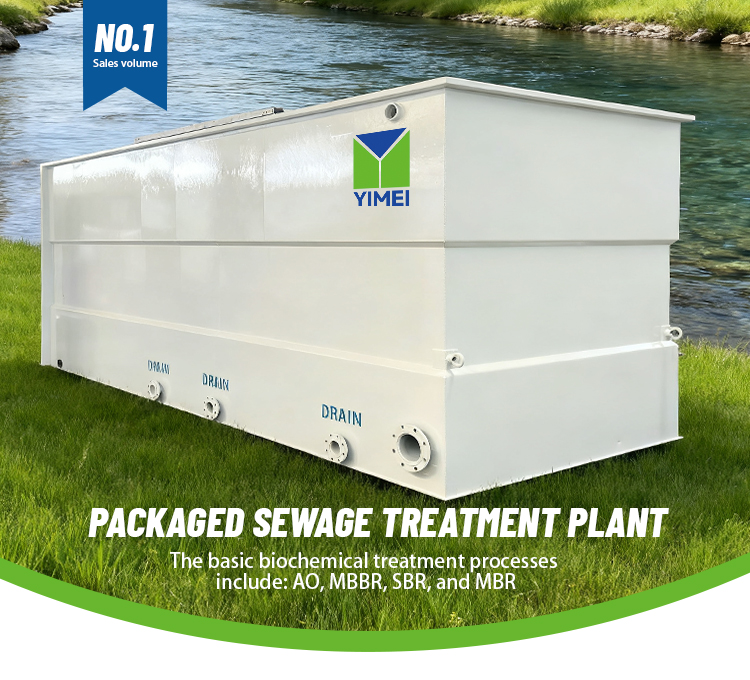
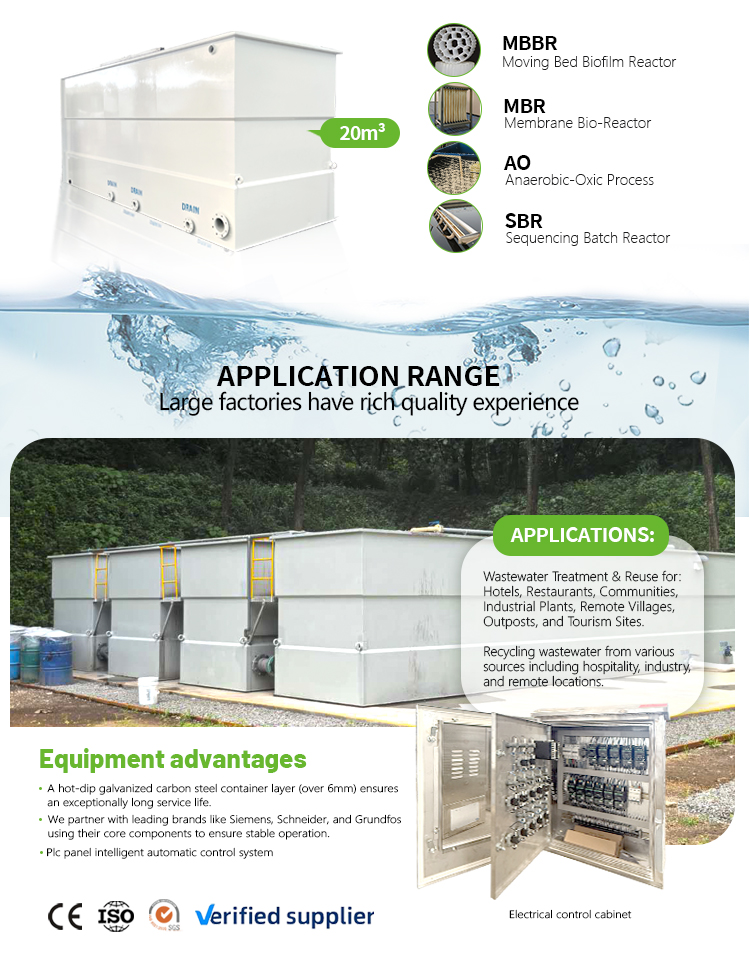
The Stainless Steel MBR Packaged Wastewater Treatment Plant is designed for industrial wastewater applications that require compact biological treatment, durable equipment construction, and high-quality treated effluent. The system combines activated sludge treatment with a fixed biological membrane process and biological carrier media, creating a hybrid treatment environment for the removal of organic pollutants and nutrients.
Unlike a conventional biological treatment system relying on only one microbial treatment mechanism, this packaged plant uses a dual-action biological process. Suspended microorganisms work together with bacterial colonies and biofilms developed on biological carriers inside the reactor. The carrier media increases contact between microorganisms and pollutants, helping maintain an active biological population throughout the treatment process.
The reactor is designed to create sequential anaerobic, anoxic, and aerobic conditions. These different treatment environments support biological removal of BOD and COD while also providing conditions for nitrogen and phosphorus removal. This multi-stage biological arrangement is particularly relevant to industrial wastewater where influent flow and composition may fluctuate during production.
MBR membrane filtration provides an additional separation step for producing high-quality treated effluent. The product is designed for projects where treated wastewater needs to meet demanding discharge requirements or where water reuse is being considered. Irrigation is specifically identified as one possible reuse application.
Another defining feature is the stainless steel construction. Key equipment components use high-grade stainless steel to provide corrosion resistance and structural durability in challenging environments. This makes the plant suitable for applications involving high humidity, coastal conditions, and other sites where corrosion resistance is an important equipment-selection factor.
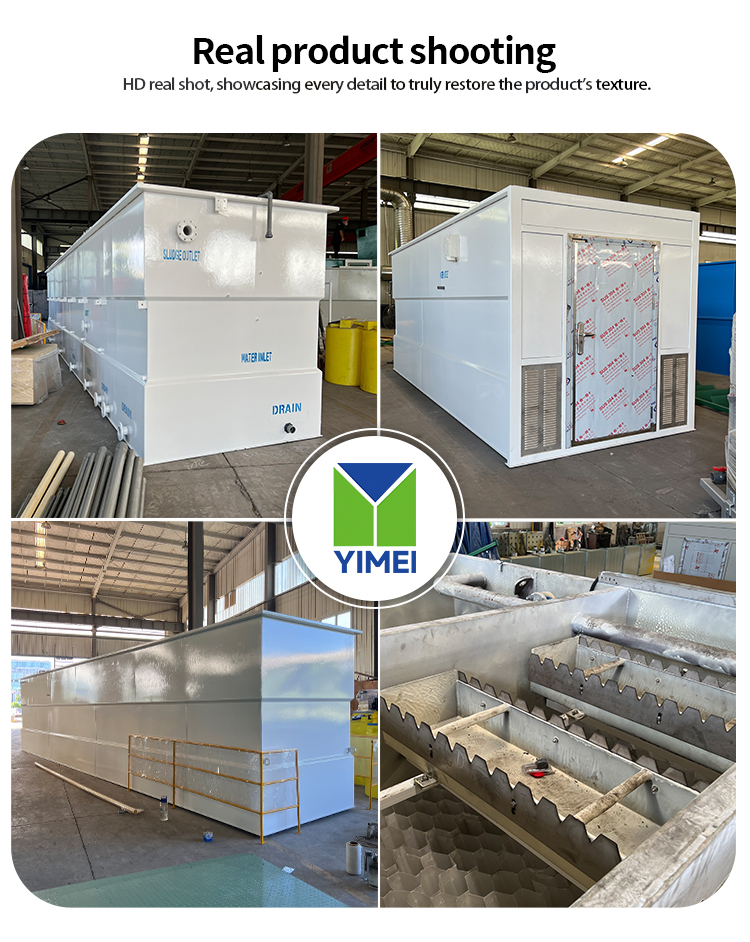
The treatment plant is supplied in a compact skid-mounted or containerized format. Pre-assembled equipment reduces the amount of civil construction and field assembly required at the project site, making the system suitable for industrial facilities with restricted installation space or limited local technical resources.
The YMSZ series provides treatment capacities from 1 to 30 m³/h. Automated controls reduce the need for continuous expert supervision, while the hybrid biological process is designed to remain stable under changing industrial wastewater conditions.
Product Parameters
Item | YMSZ-1 | YMSZ-3 | YMSZ-5 | YMSZ-7.5 | YMSZ-10 | YMSZ-15 | YMSZ-20 | YMSZ-30 | |
capacity(m3/h) | 1 | 3 | 5 | 7.5 | 10 | 15 | 20 | 30 | |
equipment Nm | 1 | 1 | 1 | 1 | 2 | 2 | 2 | 3 | |
Primary settling tank | 1.8 | 5.5 | 9 | 14 | 18 | 27 | 36 | 50 | |
Contact oxidation tank(m³) | 5 | 14.5 | 24 | 36 | 44 | 63 | 83 | 130 | |
Secondary settling tank | 1.2 | 1.3 | 1.3 | 1.3 | 1.2 | 1.2 | 1.5 | 1.5 | |
Disinfection tank(m³) | 0.6 | 1.8 | 2.8 | 4 | 5.5 | 8 | 10 | 15 | |
Air blower | model | HC-25IS | HC-30IS | HC-50C | HC-50IS | HC-60IS | HC-80S | HC-100S | HC1-100S |
power(kw) | 0.4 | 0.75 | 1.5 | 2.2 | 2.2 | 3.7 | 5.5 | ||
units | 2 | 2 | 2 | 2 | 2 | 2 | 2 | 2 | |
| model | AS10-2CB | AS16-2CB | ||||||
power(kw) | 1 | 1.6 | |||||||
Total Weight(t) | 5.5 | 6.5 | 8 | 11 | 17 | 20 | 21 | 29 | |
Occupy area(m²) | 6 | 14 | 20 | 30 | 50 | 65 | 75 | 115 | |
Features & Advantages |
The core treatment process combines activated sludge technology with a fixed biological membrane system.
This hybrid configuration allows different microbial populations to participate in wastewater treatment instead of relying exclusively on suspended activated sludge.
Biological carriers are incorporated into the reactor to provide additional surfaces for bacteria and biofilm development. As the biofilm grows and continuously renews, microorganisms remain in close contact with wastewater pollutants.
Increasing this microorganism-to-pollutant contact is an important part of the treatment concept and helps support biological treatment efficiency.
The combined suspended and attached microbial populations also provide a more robust biological environment for wastewater streams whose characteristics may change during industrial operation.
Biological carriers are integrated into the treatment reactor to support bacterial colonies and biofilm formation.
These carriers provide additional surface area for microorganisms to attach and remain active inside the treatment process.
Rather than allowing all biological activity to depend on microorganisms suspended freely in the wastewater, the attached biofilm creates another active treatment zone inside the reactor.
Continuous bacterial growth and biofilm renewal help maintain a high level of microbial contact with pollutants.
This carrier-based structure is one of the distinguishing characteristics of the high-performance packaged treatment process described for this product.
The treatment system creates an anaerobic biological environment as part of the sequential treatment process.
This zone operates without aerobic conditions and forms the first biological stage within the multi-stage reactor arrangement.
Providing different oxygen environments allows specialized microbial populations to develop under conditions suited to different biological reactions.
The anaerobic stage therefore forms part of a broader treatment sequence rather than functioning as an independent wastewater treatment process.
Wastewater subsequently passes through an anoxic environment.
The reduced-oxygen conditions allow microbial processes different from those occurring in the aerobic section.
Combining anoxic and aerobic treatment environments is important for biological nutrient removal, particularly when nitrogen reduction is part of the treatment objective.
The product page specifically identifies advanced nitrogen and phosphorus removal as a function of the multi-stage biological process.
The aerobic section provides oxygen for microorganisms responsible for biological oxidation of organic pollutants.
BOD and COD removal are specifically identified among the main functions of the system.
Within the complete treatment sequence, the aerobic zone works together with the anaerobic and anoxic sections to provide a broader biological purification process.
Rather than treating industrial wastewater through one uniform reactor condition, the plant creates different microbial environments for different stages of biological treatment.
Membrane filtration is one of the defining features of the Stainless Steel MBR configuration.
After the biological treatment process, membrane separation provides an additional barrier between treated water and remaining suspended biological material.
The product page identifies high effluent quality as one of the principal advantages of the MBR configuration.
This makes the system particularly relevant when a project requires treated wastewater suitable for strict discharge conditions or subsequent reuse.
The MBR configuration also supports a compact plant arrangement because membrane separation forms part of the integrated treatment concept.
The product is designed to produce high-quality treated water through the combination of biological treatment and membrane filtration.
This is particularly important for industrial wastewater projects where simply reducing the pollution load may not be sufficient.
The page identifies both safe discharge and treated-water reuse as potential outcomes of the treatment process.
For projects located in areas facing water-supply constraints, reuse can provide an additional reason for selecting an MBR-based system.
Irrigation is specifically identified as one example of treated-water reuse.
High-grade stainless steel is used for key components of the treatment plant.
This material configuration provides corrosion resistance and structural durability in demanding wastewater and environmental conditions.
Industrial treatment equipment can be exposed to constant moisture, wastewater, humid air, and challenging outdoor environments.
The stainless steel construction is therefore particularly relevant where long-term corrosion resistance is an important part of the equipment specification.
Coastal environments can expose treatment equipment to persistent humidity and corrosive atmospheric conditions.
The stainless steel configuration is specifically identified for applications where these conditions need to be considered.
This makes the plant suitable for industrial treatment projects in coastal or high-humidity regions where conventional untreated steel construction may require greater corrosion protection.
The treatment system is supplied as a compact packaged plant rather than a conventional wastewater facility requiring multiple large site-built structures.
The equipment can be configured as a skid-mounted or containerized unit.
Integrating the biological process, supporting components, and treatment sections into a packaged structure reduces the amount of site area required for installation.
This is useful for existing factories where wastewater treatment equipment must be installed within limited available plant space.
The equipment is pre-assembled before delivery to the project site.
This reduces the amount of mechanical fabrication and construction required during installation.
For industrial sites with limited construction resources or technical expertise, pre-assembly can simplify project implementation.
Site preparation mainly involves providing a level concrete base together with the required wastewater, electrical, and other connection points.
The packaged format allows commissioning to proceed significantly faster than construction of a conventional site-built treatment plant.
Automated controls are used to reduce the need for constant expert supervision.
The control system handles many routine process adjustments while operators focus primarily on monitoring equipment status and carrying out scheduled maintenance.
This is important for industrial facilities where wastewater treatment is necessary but the site may not maintain a large dedicated wastewater operations team.
Automation also supports more consistent process management when wastewater conditions fluctuate.
Industrial wastewater characteristics may change according to production schedules, raw materials, cleaning cycles, and operating conditions.
The product page specifically identifies the hybrid biological process as stable and resilient to shock loads and changing wastewater composition.
The combination of suspended microbial treatment, attached biofilm, and multiple biological environments provides the basis for this operating resilience.
This makes the plant more suitable for industrial wastewater than a treatment process designed only around a highly consistent domestic sewage flow.
The Stainless Steel MBR Packaged Wastewater Treatment Plant is available in the following YMSZ capacities:
YMSZ-1: 1 m³/h
YMSZ-3: 3 m³/h
YMSZ-5: 5 m³/h
YMSZ-7.5: 7.5 m³/h
YMSZ-10: 10 m³/h
YMSZ-15: 15 m³/h
YMSZ-20: 20 m³/h
YMSZ-30: 30 m³/h
The equipment configuration increases according to treatment capacity.
YMSZ-1, YMSZ-3, YMSZ-5, and YMSZ-7.5 use one equipment unit.
YMSZ-10, YMSZ-15, and YMSZ-20 use two units, while YMSZ-30 uses three equipment units.
This allows the packaged plant to be selected according to the hydraulic requirements of different industrial wastewater projects.
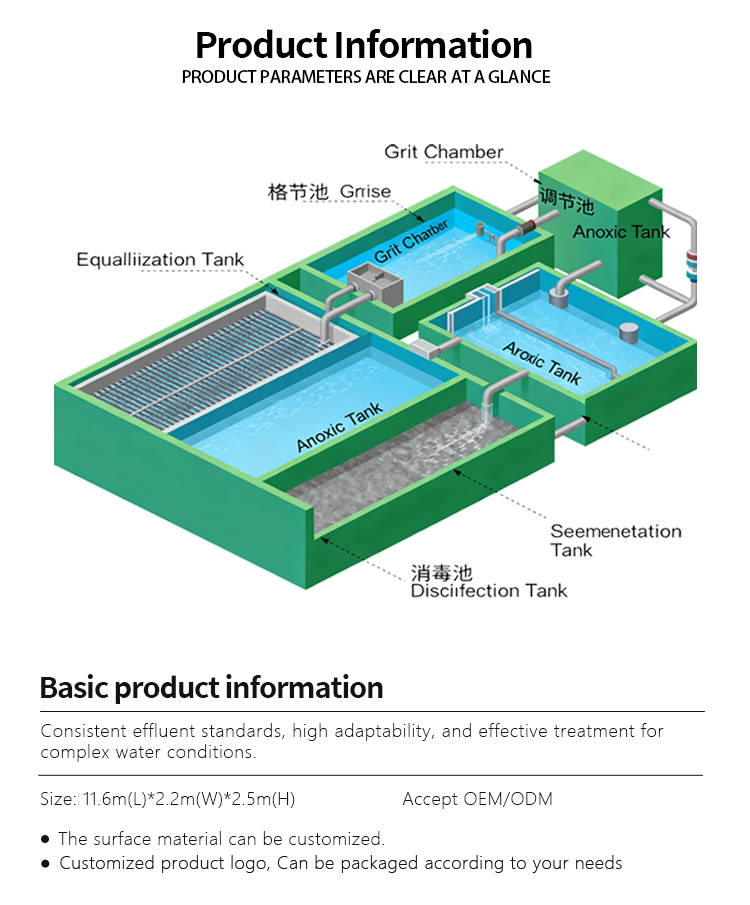
The published YMSZ configuration includes primary settling, contact oxidation, secondary settling, and disinfection sections.
Primary settling capacity ranges from 1.8 on YMSZ-1 to 50 on YMSZ-30.
Contact oxidation tank volume increases from 5 m³ on the smallest model to 130 m³ on the largest.
The listed secondary settling tank surface load ranges between 1.2 and 1.5 m³/m²·h according to model.
Disinfection tank volume ranges from 0.6 m³ on YMSZ-1 to 15 m³ on YMSZ-30.
Air blowers and sewage pumps are also incorporated into the published equipment configuration.
The occupied area increases progressively according to treatment capacity:
YMSZ-1: 6 m²
YMSZ-3: 14 m²
YMSZ-5: 20 m²
YMSZ-7.5: 30 m²
YMSZ-10: 50 m²
YMSZ-15: 65 m²
YMSZ-20: 75 m²
YMSZ-30: 115 m²
This provides project engineers with a direct reference when balancing required wastewater capacity against available installation space.
Applications |
The plant is particularly suitable for industrial sites where wastewater flow and composition do not remain constant.
Production processes may operate at different capacities during the day, and changes in manufacturing schedules can alter both wastewater volume and pollutant concentration.
Cleaning operations and production changeovers can create additional variations in influent characteristics.
The hybrid biological process is designed to provide greater stability under these changing conditions.
The combination of activated sludge, attached biofilm, and multiple biological treatment environments helps maintain an active microbial system when the wastewater load fluctuates.
This makes the plant suitable for industrial facilities requiring a biological treatment system capable of handling variable discharges.
Some industrial projects require more than basic biological pollutant reduction.
Where final effluent quality is important, the MBR configuration provides membrane filtration after biological treatment.
This additional separation stage supports production of high-quality treated water and makes the system appropriate for projects operating under more demanding discharge requirements.
The plant can therefore be selected where a conventional biological treatment process alone may not provide the desired final water quality.
The MBR configuration can also be incorporated into industrial projects where treated wastewater is intended for reuse.
Membrane filtration provides a higher-quality treated effluent after the biological treatment process.
The product page specifically identifies reuse as one of the possible destinations for treated water and gives irrigation as an example.
This can be useful in locations where water availability is limited and wastewater treatment forms part of a broader water-management strategy.
The exact reuse arrangement should be determined according to the project requirements and intended use of the treated water.
The stainless steel construction makes the system particularly relevant to industrial facilities located in coastal environments.
High humidity and salt-containing air can create demanding corrosion conditions for outdoor wastewater treatment equipment.
Using high-grade stainless steel for key components provides additional resistance to these environmental conditions.
This makes the Stainless Steel MBR configuration appropriate where equipment durability and corrosion resistance are important project requirements.
The plant is also suitable for industrial wastewater projects in tropical and other high-humidity regions.
Wastewater treatment equipment in these environments may remain exposed to moisture continuously, increasing the importance of construction material selection.
The stainless steel structure provides a durable equipment platform for these conditions while the packaged design keeps the treatment process consolidated into an integrated unit.
Industrial facilities often have limited unused land because the majority of available space is already occupied by production equipment, warehouses, utilities, roads, and logistics areas.
The compact packaged configuration reduces the amount of area required for wastewater treatment compared with constructing multiple separate treatment structures.
Skid-mounted or containerized equipment can be incorporated into a designated utility area without requiring the same scale of civil construction as a conventional treatment plant.
This makes the system particularly suitable for factory upgrades and existing industrial sites.
The pre-assembled configuration is also useful where local wastewater construction expertise or project resources are limited.
The major treatment equipment is assembled before arriving at the final project location.
Site work can therefore concentrate on the concrete base, utility connections, piping, electrical installation, and commissioning rather than extensive field fabrication.
This simplifies wastewater treatment deployment in remote industrial areas and developing regions.
Industrial sites located far from major population centers may not have easy access to specialized wastewater operators or service personnel.
The packaged plant addresses this through automated operation and remote technical support.
Automated controls manage many routine process adjustments, reducing the need for continuous specialist supervision.
The product page also identifies remote troubleshooting by video call, local partner support, and availability of critical spare parts for customers in remote locations.
The YMSZ model range allows wastewater treatment capacity to be selected according to different industrial flow requirements.
Where an industrial operation expands and wastewater generation increases, a larger packaged configuration can be incorporated according to project requirements.
The compact design also makes the equipment relevant to existing plants where new wastewater treatment capacity must be added within a restricted utility area.
The stainless steel construction and packaged equipment format are designed for demanding operating environments.
Projects in tropical regions, coastal zones, or other harsh climates can benefit from a treatment plant specifically designed around corrosion resistance and durable construction.
This makes environmental durability one of the key reasons for selecting this model rather than choosing a standard packaged wastewater treatment system without the same stainless steel positioning.
FAQs |
The plant is designed for industrial wastewater applications, particularly where wastewater flow and composition may fluctuate and where stable biological treatment is required.
The product uses a hybrid biochemical process combining activated sludge treatment with a fixed biological membrane system and biological carrier media.
The biological carriers provide surfaces for bacterial colonies and biofilms to grow and continuously renew. This increases contact between microorganisms and pollutants inside the treatment reactor.
Yes. The system is designed to sequentially create anaerobic, anoxic, and aerobic environments as part of its multi-stage biological treatment process.
The product page specifically identifies removal of organic matter represented by BOD and COD, together with advanced nitrogen and phosphorus removal.
The MBR configuration uses membrane filtration to provide higher-quality treated effluent after the biological treatment process.
Yes. The product page identifies treated-water reuse as an application and specifically gives irrigation as one example.
High-grade stainless steel is used for key components to provide corrosion resistance, structural durability, and suitability for demanding environments.
Yes. Coastal and high-humidity environments are specifically identified as suitable conditions for the stainless steel configuration.
Yes. The hybrid biological process is designed for stability and resilience under fluctuating wastewater flow and composition.
The YMSZ series includes capacities of 1, 3, 5, 7.5, 10, 15, 20, and 30 m³/h.
The published occupied area ranges from 6 m² for YMSZ-1 to 115 m² for YMSZ-30.
Yes. The plant is supplied as a compact skid-mounted or containerized packaged unit with major components pre-assembled before delivery.
The product page states that site preparation primarily requires a level concrete base and the necessary connection points for the treatment plant.
The system is designed for relatively straightforward operation. Automated controls handle most process adjustments, while operators mainly perform routine monitoring and maintenance.
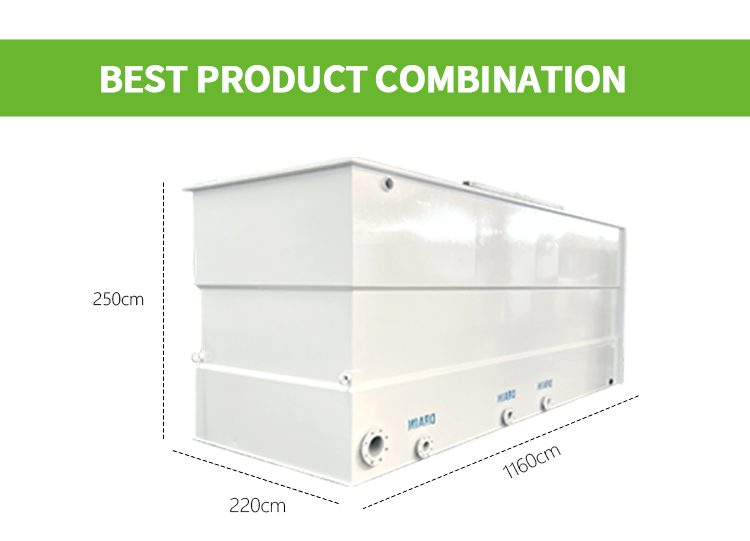
Yes. Compact packaged construction is one of the main advantages of this model and makes it suitable for industrial facilities with restricted wastewater treatment areas.
The product page identifies remote troubleshooting through video calls, local partner support, simplified maintenance, and availability of critical spare parts.
The main differences are its industrial wastewater positioning, high-grade stainless steel construction, hybrid activated sludge and fixed biological membrane process, MBR membrane filtration, and suitability for variable industrial discharges and corrosive environments.
Product Showcase |