

Views: 0 Author: Site Editor Publish Time: 2026-08-28 Origin: Site


Managing wastewater is rarely a smooth, predictable science. Erratic wastewater inflows frequently overwhelm standard biological treatment processes. You might see these surges during seasonal tourism peaks. Shift-based industrial operations and phased residential developments also cause massive flow disruptions.
Inadequate handling of these variable loads introduces severe business risks. Facility operators face imminent compliance violations when surges occur. Catastrophic biomass die-off and accelerated equipment wear quickly follow. Environmental protection agencies do not grant leniency for unexpected operational spikes. You must meet discharge standards consistently, every single day.
This article provides an evidence-based breakdown of how modern systems solve this complex challenge. You will discover how engineered flow equalization and automated sensory controls stabilize volatile inputs. We will explore precisely how these adaptable technologies maintain strict regulatory compliance under extreme conditions.
Hydraulic buffering is non-negotiable: Flow equalization (EQ) tanks are the primary defense against peak flow surges, preventing system washout.
Automated biological adaptation: Advanced sensors (e.g., DO probes) and Variable Frequency Drives (VFDs) adjust aeration in real-time to match organic load spikes.
Scalability dictates format: Phased expansions often favor containerized sewage treatment plant models, allowing facilities to add capacity incrementally without heavy upfront CAPEX.
Compliance is the ultimate metric: Proper evaluation requires assessing a system’s ability to meet local (e.g., EPA, provincial/state) discharge limits during both minimum and maximum load scenarios.
Wastewater treatment facilities rarely experience steady, continuous inflow. You must understand the distinct variations your system will face. Diurnal shifts represent the daily peak hours of water usage. These typically occur in the early morning and late evening. Seasonal fluctuations create massive operational gaps. Resorts and remote camps may see maximum capacity in summer and zero flow in winter. Phased capacity increases present a different challenge. New housing developments add flow incrementally as builders complete new homes.
Designing a system for these variations requires extreme precision. Over-sizing your facility creates severe biological starvation during low-flow periods. The active biomass lacks sufficient food to survive. Over-sizing also demands unnecessary capital expenditure upfront. Conversely, under-sizing leads to disastrous hydraulic washout. Peak flows physically flush active biomass out of the system. This results in immediate regulatory compliance breaches. You will quickly exceed standard limits for Biochemical Oxygen Demand (BOD) and Total Suspended Solids (TSS).
Environmental regulatory bodies operate under strict realities. Regulators do not care about your operational surges. They expect compliance regardless of influent anomalies. Discharge standards remain rigid. Environmental agencies issue heavy fines for effluent violations. You must implement engineered flow control to prevent these breaches consistently.
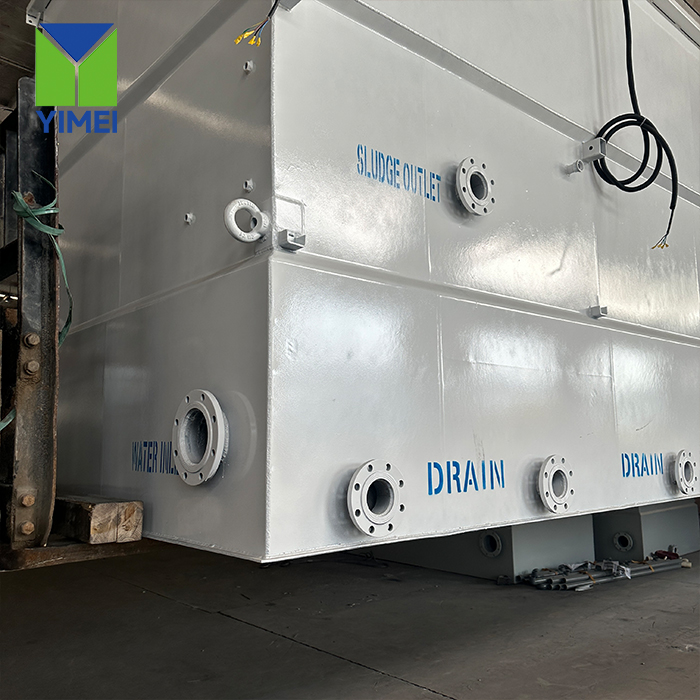
Flow equalization (EQ) tanks serve as the critical shock absorbers of the treatment process. They stand as the primary defense against hydraulic surges. You can integrate these tanks directly into the plant or position them externally. The EQ tank captures massive peak inflows immediately. It then doses the downstream bioreactor at a steady, manageable rate. This prevents hydraulic overloading in the sensitive biological zones.
Modern plants rely heavily on automated flow control hardware. These mechanical components optimize flow pacing efficiently. We utilize several essential control devices:
Motorized Weirs: These adjustable barriers mechanically regulate the release of water into specific treatment zones.
Actuated Valves: These open and close automatically based on electronic signals from flow meters.
PLC-driven Forward Feed Pumps: Programmable Logic Controllers (PLCs) dictate exact pump speeds. They ensure constant feed rates to the bioreactor.
Managing low-flow scenarios is just as vital as handling peak surges. Minimum-flow periods threaten to starve the bacteria. Modern systems mitigate this by recirculating treated effluent. The pumps send clean water back to the head of the plant. This keeps the biological process alive and circulating. It prevents stagnation and dangerous anaerobic conditions from forming in the tanks.
Variable flow volumes inevitably bring variable organic concentrations. Facilities face an immense challenge adapting to these changes. Biochemical Oxygen Demand (BOD) represents the organic strength of the wastewater. A sudden influx of industrial wash-down water spikes the BOD exponentially. The bacterial colony requires significantly more oxygen to digest this sudden food source.
Smart aeration provides the solution to this problem. Advanced setups utilize Variable Frequency Drives (VFDs). These drives control the exact operational speed of the aeration blowers. The system relies on real-time Dissolved Oxygen (DO) sensor feedback. When the DO probe detects dropping oxygen levels, it signals the PLC. The VFD immediately ramps up blower speed to deliver more air. When the organic load drops, the VFD slows the blowers down.
This automated adaptation ensures maximum energy efficiency. Running blowers at full speed during low-load periods wastes immense amounts of electricity. Turning down aeration during these lulls significantly reduces daily energy consumption. This presents a major operational expenditure (OPEX) advantage for modern Package Sewage Treatment Plants. Smart sensory feedback ensures you only pay for the exact aeration you need.
Facility planners must choose the right physical format for their growth trajectory. ISO-container-based systems offer incredible advantages for rapid deployment. These units arrive completely built inside standard shipping containers. You can deploy them for temporary operations like mining camps or disaster relief zones. They fit perfectly on sites requiring strict footprint limitations. An operator can quickly integrate a Containerized Sewage Treatment Plant to resolve sudden capacity shortages.
Permanent modular package plants serve a different strategic purpose. Manufacturers build these using skid-mounted frames, prefabricated steel, or fiberglass. They suit permanent installations like municipalities and growing residential subdivisions. These units handle predictable long-term growth efficiently. Engineers design them to last decades in fixed locations.
Decision-makers must assess the "plug-and-play" procurement model. Leasing a containerized unit provides immediate compliance during unexpected flow surges. You avoid massive capital outlays while solving the immediate regulatory threat. Purchasing a modular plant creates a permanent asset baseline. You must match the financial strategy to your site's specific growth timeline.
Table 1: Format Comparison for Facility Scaling
Feature | Containerized Systems | Permanent Modular Plants |
|---|---|---|
Deployment Speed | Extremely fast (weeks) | Moderate (months) |
Site Footprint | Highly compact (ISO standard) | Variable, requires concrete pads |
Application Focus | Temporary camps, rapid relief | Subdivisions, municipalities |
Relocation Capability | High (easily trucked) | Low (typically fixed on-site) |
Evaluating treatment systems requires strict attention to physical and operational constraints. You must first assess the true footprint required. Never look only at the equipment dimensions. You must calculate necessary setback distances from property lines. Regulators also mandate specific odor and noise buffer zones. The footprint capacity ratio dictates what technology will legally fit on your site.
Process technology fit is another critical evaluation metric. Different biological processes react differently to load shocks. Moving Bed Biofilm Reactors (MBBR) offer incredible resilience. The fixed-film media protects bacteria from sudden toxic shocks or washout. Membrane Bioreactors (MBR) provide exceptional effluent quality but have strict hydraulic limits. Sequencing Batch Reactors (SBR) handle variable flows well but require complex timing controls. You must match the biological process to your specific inflow profile.
Vendor technical support and telemetry capabilities are vital. Modern facilities demand remote monitoring capabilities. SCADA (Supervisory Control and Data Acquisition) and IoT sensors provide early warnings during flow anomaly events. If a pump fails at midnight, the telemetry system alerts operators instantly. This prevents minor mechanical faults from becoming major compliance disasters.
Finally, you must demand a rigorous compliance guarantee. Verify that the vendor’s performance guarantees explicitly cover your documented peak and minimum flow parameters. Standard guarantees based on steady-state averages are useless. The equipment must align with official provincial or state design guidelines. Hold the manufacturer accountable for actual field performance under stress.
Relying on theoretical flow data introduces massive implementation risks. Engineers often assume standard per-capita water usage rates. Reality rarely matches these textbook assumptions. You must conduct actual site flow-monitoring studies before specification. Failing to measure real-world diurnal curves leads to flawed equipment sizing. Accurate data collection prevents disastrous miscalculations.
Cold weather variables introduce severe biological challenges. Temperature fluctuations interact aggressively with variable loads. Bacterial metabolism slows down drastically in freezing conditions. Modular designs require extensive insulation and heating elements in cold climates. Trace heating on pipes and insulated exterior panels prevent the treatment process from freezing solid during low-flow winter nights.
A phased deployment strategy mitigates massive capital risks. You do not need to build for 20-year capacity on day one. Structure your procurement to install parallel treatment trains over time. You commission train one for the initial development phase. As demand increases, you drop in train two. This perfectly matches your capital expenditure with exact capacity demand. It prevents the biological starvation associated with oversized initial builds.
Variable flow is not a rare edge case. It is a standard operational reality that must dictate your plant design from day one. Failing to respect hydraulic and organic volatility guarantees regulatory failure and mechanical breakdown.
The best modern systems successfully combine robust flow equalization, smart automated aeration, and modular scalability. These integrated elements protect the buyer from dangerous compliance risks. They ensure the biology survives low flows and thrives during peak surges.
Do not guess at your facility's treatment requirements. Consult with a qualified process engineer today. Request a customized load-profiling analysis to capture your real-world data. Use that data to determine the exact sizing and technology required for your site's long-term success.
A: Systems maintain biomass health through automated effluent recirculation. Treated water loops back to the headworks, keeping the tanks hydraulically active. Operators also use intermittent aeration. Turning blowers on and off preserves energy while providing just enough oxygen to keep the bacteria in a healthy dormant state.
A: Mixing these streams directly is risky. High-strength commercial waste requires dedicated pre-treatment, like robust grease traps or pH neutralizers. Facilities often utilize dual-train setups. This allows operators to manage heavy industrial shocks in one line before blending the treated output with standard domestic streams.
A: Modular plant additions offer massive timeline advantages. You can procure, deliver, and commission a new skid-mounted or containerized train in weeks to a few months. Traditional civil engineering expansions using concrete basins typically take years to design, permit, and construct.
A: Yes, holding raw wastewater can cause anaerobic conditions and odors. Operators mitigate this by installing coarse bubble diffusers inside the EQ tank. This constant mixing prevents stagnation and keeps the water aerobic. Facilities also route displaced EQ air through activated carbon odor control units.


