

Views: 226 Author: Site Editor Publish Time: 2026-08-25 Origin: Site


Escalating regulatory pressures and rising municipal discharge surcharges make untreated industrial discharge financially unsustainable. You cannot rely on municipal facilities or generic filtration to handle complex effluents. Heavy metals, active pharmaceutical ingredients, high BOD/COD, and solvents cause standard systems to fail rapidly. This leads to immediate fines, unexpected plant shutdowns, and severe environmental damage. Implementing specialized industrial wastewater treatment is an operational necessity for modern manufacturing. You must engineer a specialized architecture tailored exactly to the chemical and biological profile of your facility's waste stream. Relying on off-the-shelf filters simply masks the problem until a major compliance breach occurs. Facility managers need to address the root chemistry of their discharge to maintain continuous production and avoid regulatory scrutiny.
Compliance is Contaminant-Specific: Standardized systems cannot handle the extreme variability of industrial effluents; specialized systems are required to meet strict local and federal discharge limits.
OpEx vs. CapEx Trade-offs: Investing in a custom Wastewater Treatment Plant requires higher initial capital but significantly reduces long-term operational costs, municipal surcharges, and chemical usage.
Disposal vs. Treatment: Transitioning from costly off-site hauling of sludge and wastewater to on-site treatment provides a rapid ROI for high-volume producers.
Resource Recovery Drives ROI: Modern specialized systems move beyond mere compliance, enabling water reuse, biogas generation, and zero liquid discharge (ZLD) to offset system costs.
Scalability is a Primary Failure Point: Facilities must evaluate treatment systems not just on current production volumes, but on modularity to handle future capacity and peak flow variations.
Defining success for a wastewater intervention requires clear operational metrics. A successful system delivers consistent regulatory compliance, minimizes sludge production, reduces energy consumption, and provides automated monitoring. Facilities achieve these outcomes only when the treatment architecture matches the exact chemistry of their effluent. Guesswork leads to immediate system failure. When operators bypass primary screens or ignore chemical dosing rates, downstream equipment clogs with debris within hours.
The financial risks of inadequate treatment compound quickly. Municipalities enforce tiered surcharge structures based on contaminant loads. A plant discharging 500 mg/L of biological oxygen demand might pay a standard rate, but hitting 1,500 mg/L triggers exponential penalty multipliers. Regulatory agencies issue severe fines for permit violations. Water scarcity creates production bottlenecks when facilities cannot secure enough clean water to operate. These factors make the cost of inaction far higher than the cost of proper infrastructure.
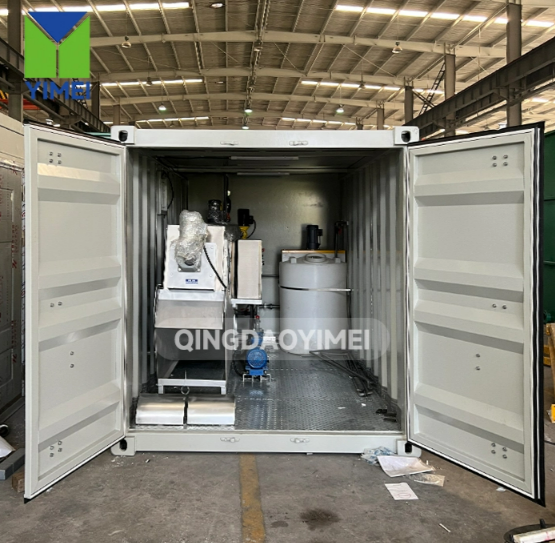
Evaluating the financial tipping point between on-site treatment and off-site disposal requires analyzing waste volume and toxicity. Vacuum trucks hauling hazardous sludge charge by the volume, meaning you pay heavily to transport water. As production scales, disposal fees erode profit margins. Investing in a dedicated on-site Wastewater Treatment Plant eliminates these recurring hauling fees. High-volume producers typically see a rapid return on investment once they sever their reliance on third-party disposal fleets. Dewatering equipment squeezes the water out of the sludge, cutting hauling volumes by up to 80 percent.
Generic physical filtration relies on basic screens and settling tanks. This approach fails when confronted with dissolved metals, emulsified oils, or complex organic compounds. A basic sand filter clogs rapidly when hit with emulsified cutting oils. Specialized approaches utilize multi-stage, contaminant-targeted treatment trains. Engineers sequence chemical precipitation, biological degradation, and advanced membrane filtration to isolate and remove specific pollutants. This targeted methodology guarantees compliance regardless of raw effluent variability.
Food processing and agricultural facilities generate effluent with extreme organic loads. The contaminant profile features high Biological Oxygen Demand (BOD), Chemical Oxygen Demand (COD), complex sugars, and Fats, Oils, and Grease (FOG). Washdown processes and Clean-in-Place (CIP) chemicals cause massive pH spikes and flow variations that overwhelm standard municipal sewers.
The primary treatment approach combines Dissolved Air Flotation (DAF) with anaerobic and aerobic biological systems. DAF units inject microscopic air bubbles into the water to float FOG and suspended solids to the surface for mechanical skimming. Biological reactors then consume the dissolved organic matter. Moving Bed Biofilm Reactors (MBBR) are frequently deployed here to handle high-strength organic loads in a compact footprint.
The main business driver is managing highly variable seasonal flows without halting production. Anaerobic digestion offers a secondary financial benefit. Facilities recover biogas from high-strength organic waste and route it back to plant boilers, offsetting natural gas consumption.
Automotive plants and general manufacturers deal with highly toxic, inorganic waste streams. The contaminant profile includes industrial solvents, heavy sludge, metal finishing wash water, and spent cutting fluids. Phosphating processes and zinc plating wash water introduce heavy metals that coat pipes, destroy biological treatment bacteria, and trigger immediate regulatory action if discharged untreated.
Treatment requires robust physical and chemical separation. Engineers deploy oil/water separators, ultrafiltration membranes, and advanced sludge dewatering presses. Coagulants break emulsions, allowing heavy metals to precipitate out of solution. Plate and frame filter presses then squeeze the precipitated solids into dry cakes.
Eliminating exorbitant off-site disposal costs drives investment in this sector. Facilities maintain continuous operations and safely manage toxic byproducts on-site. Dewatering sludge reduces waste volume drastically, cutting landfill disposal fees and minimizing liability.
Pharmaceutical and cosmetic plants produce low-volume but highly toxic waste streams. The contaminant profile contains Active Pharmaceutical Ingredients (APIs), endocrine disruptors, and complex synthetic chemicals. Batch production processes mean the effluent chemistry changes completely from one shift to the next. Trace amounts of these compounds cause severe ecological damage and bioaccumulation in local waterways.
Treatment relies on destructive technologies rather than simple separation. Advanced Oxidation Processes (AOP) utilize ozone and hydrogen peroxide combined with UV light to break down complex molecular bonds. Membrane Bioreactors (MBR) and activated carbon polishing remove residual trace contaminants, ensuring complete destruction of the active compounds.
Strict EPA and FDA compliance dictates system design. Facilities must prevent toxic bioaccumulation and prove complete destruction of active ingredients before discharge. Failure results in immediate facility shutdowns and severe legal liability.
Chemical plants operate under extreme environmental scrutiny. The contaminant profile features hydrocarbons, volatile organic compounds (VOCs), heavy metals, and extreme pH fluctuations. Effluent chemistry changes daily based on batch production runs, requiring highly adaptable treatment systems.
Treatment trains start with API separators utilizing baffles and skimmers to remove bulk free oil. Chemical precipitation targets dissolved metals. Specialized stripping towers remove VOCs before they can vaporize into the atmosphere. Automated dosing systems constantly inject sulfuric acid or sodium hydroxide to adjust pH levels and prevent equipment corrosion.
Mitigating explosive and flammable risks is the primary business driver. Facilities must neutralize highly corrosive effluents to protect downstream infrastructure. Meeting stringent federal discharge mandates ensures the facility retains its operating permits and avoids catastrophic environmental releases.
Mining operations manage massive water volumes in remote locations. The contaminant profile includes extreme levels of Total Suspended Solids (TSS), acid mine drainage, and dissolved heavy metals like lead, copper, and zinc. Runoff contaminates groundwater if left unchecked, creating massive environmental liabilities.
Treatment requires high-throughput clarification and coagulation/flocculation to settle out solids. Massive clarifiers use slow-moving rake mechanisms to gather settled sludge. Reverse osmosis (RO) membranes isolate dissolved metals, producing clean permeate water that can be discharged safely or reused in the mining process.
Preventing groundwater contamination protects the surrounding ecosystem and shields the company from litigation. Reclaiming and reusing water enables continuous mining operations in remote, water-scarce locations where fresh municipal water is unavailable.
Textile mills consume vast amounts of water for dyeing and finishing. The contaminant profile includes synthetic dyes, bleaching agents, sizing chemicals, and high thermal loads. The effluent is highly visible, chemically complex, and often discharged at near-boiling temperatures.
Treatment approaches utilize specialized color removal technologies, biological degradation, and thermal reduction. Heat exchangers or cooling towers reduce the thermal load before the water enters biological basins. Advanced oxidation breaks down stubborn dye molecules that resist standard biological treatment.
Achieving Zero Liquid Discharge (ZLD) is the ultimate goal for modern textile plants. Reusing 100 percent of process water meets aggressive corporate sustainability targets and satisfies strict local environmental mandates in water-stressed regions.
|
|
|
Modern treatment systems sequence multiple technologies to address different contaminant phases. No single piece of equipment handles every pollutant. You must build a treatment train that addresses solids, dissolved organics, and trace chemicals in a specific order.
Physical and mechanical separation serves as the necessary first line of defense. Rotary drum screens and bar screens capture large debris, plastics, and raw materials. Sedimentation tanks and grit chambers allow heavy solids to settle to the bottom. This primary filtration protects sensitive downstream equipment from abrasive wear and prevents sludge blockages in pumps and pipes. Skipping this step guarantees premature failure of expensive membrane systems.
Biological treatment systems tackle dissolved organic matter. Aerobic microorganisms consume organics in the presence of oxygen, making them ideal for municipal-style waste and food processing effluent. Systems like Sequencing Batch Reactors (SBR) cycle through fill, react, settle, and decant phases in a single tank. Anaerobic systems operate without oxygen, breaking down high-strength industrial organics and generating methane gas as a byproduct. Engineers select the biological process based on the specific BOD/COD ratio of the waste stream.
Chemical treatment protocols address dissolved solids and emulsions. Automated dosing pumps inject coagulants to destabilize particle charges. Flocculants then bind these neutralized particles into larger, heavier flocs that settle rapidly in a clarifier. Acid and caustic dosing adjusts pH levels to precipitate dissolved metals out of solution and neutralize aggressive solvents. Precise chemical dosing requires continuous monitoring via inline sensors to prevent over-dosing and chemical waste.
Advanced membrane and thermal technologies provide the final polishing steps. Ultrafiltration membranes block microscopic suspended solids and large molecules, acting as a physical barrier. Reverse osmosis pushes water through semi-permeable membranes at high pressure, rejecting dissolved salts and minerals. Evaporators boil the remaining brine, separating pure water vapor from solid waste. These thermal technologies are mandatory for achieving high-purity water reuse and complete ZLD.
Core Treatment Technologies and Target Contaminants
Technology Category |
Primary Function |
Target Contaminants |
Typical Equipment |
|---|---|---|---|
Mechanical Separation |
Protect downstream equipment |
Large debris, grit, heavy solids |
Rotary screens, grit chambers |
Biological Treatment |
Degrade organic matter |
BOD, COD, complex sugars |
MBBR, SBR, anaerobic digesters |
Chemical Dosing |
Precipitate and neutralize |
Dissolved metals, extreme pH, emulsions |
Dosing skids, inline mixers |
Membrane Filtration |
High-purity separation |
Trace minerals, salts, micro-pollutants |
Ultrafiltration, reverse osmosis |
Selecting the right equipment requires mapping specific system features directly to desired business outcomes. You should not buy technology for the sake of technology. Automated chemical dosing systems require higher upfront capital but drastically reduce daily labor costs and prevent chemical waste. IoT monitoring and telemetry provide real-time data logging via SCADA systems and HMI screens. This ensures audit-ready compliance reporting and alerts operators to process deviations before a discharge violation occurs.
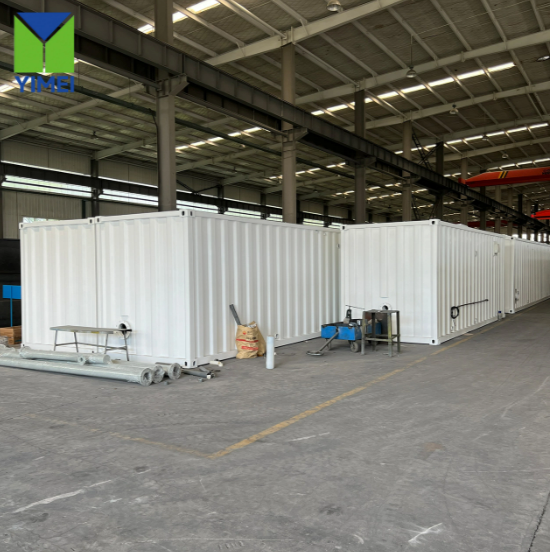
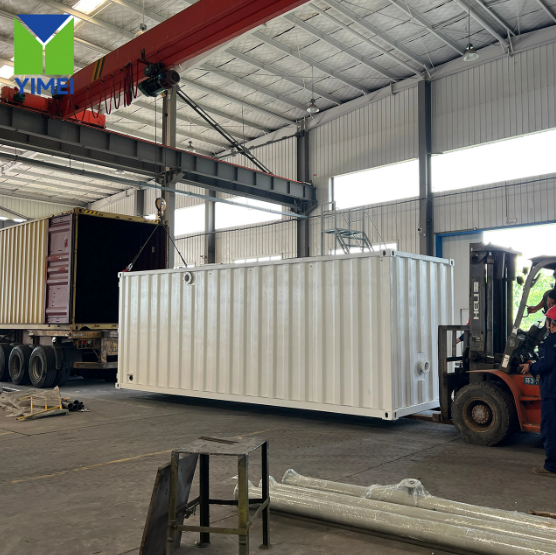
Scalability and footprint constraints dictate physical system design. You must evaluate the proposed system footprint against available facility space. Stick-built, concrete systems offer massive capacity but require significant land and construction time. Modular, skid-mounted systems allow for flexible installation inside existing buildings. Modular designs also enable future capacity expansion. You simply add another skid when production volumes increase, rather than tearing up concrete to build new tanks.
Conducting laboratory treatability studies and on-site pilot testing is an absolute necessity. You cannot engineer a system based on assumptions. Treatability studies analyze a physical sample of your effluent to determine exact chemical dosing rates and biological degradation times. On-site pilot testing runs a miniature version of the proposed system at your facility for several weeks. We typically run a pilot skid for 30 to 90 days to capture variations in production shifts. This validates performance data under real-world conditions, accounting for temperature shifts and daily production variations. Skipping this step guarantees system failure.
Leveraging performance databases helps benchmark expected results. Utilize resources like the EPA Industrial Wastewater Treatment Technology (IWTT) database. This allows you to compare proposed system performance against verified data from similar facilities. Ensuring your design meets stringent data quality criteria prevents vendors from overpromising and underdelivering on effluent purity.
Facility managers must analyze the trade-off between capital expenditures (CapEx) and operational expenditures (OpEx). Highly automated, energy-efficient systems demand high initial capital but operate with minimal human intervention and low chemical consumption. Simpler, chemical-heavy systems cost less to install but require constant manual adjustment, frequent sludge hauling, and high daily chemical purchases. High-volume operations almost always benefit from prioritizing lower OpEx through automation, as the daily savings quickly offset the initial equipment purchase.
Retrofitting an existing facility introduces severe logistical challenges. You cannot halt production to install a new treatment system. Integration requires careful phasing. Contractors often build the new system parallel to the existing infrastructure. Once the new plant is commissioned and tested, engineers execute a rapid tie-in during a scheduled maintenance window or holiday shutdown. This mitigates downtime risks and ensures continuous factory output.
Complex systems require skilled operators. Advanced membranes, chemical dosing algorithms, and biological reactors do not run themselves. If your facility lacks in-house water chemistry expertise, the system will degrade. Address this reality by utilizing remote monitoring services. Many facilities rely on outsourced operations and maintenance (O&M) contracts. Third-party experts manage the daily operation, guaranteeing compliance while allowing your staff to focus on core manufacturing tasks.
Realistic timelines prevent project delays. Environmental permitting, custom engineering, procurement, and commissioning take significant time. Regulatory agencies often require months to review and approve discharge permit modifications. Custom fabrication of specialized tanks and skids adds to the timeline. A standard implementation spans anywhere from six to eighteen months from initial audit to final commissioning. Plan accordingly to avoid regulatory deadlines and unexpected fines.
Specialized industrial wastewater treatment functions as a critical piece of facility infrastructure dictated entirely by specific effluent chemistry and daily production demands. Attempting to force a generic solution onto a complex industrial waste stream results in compliance failures, excessive operational costs, and environmental damage. Your treatment architecture must reflect the reality of your manufacturing process.
Selecting a treatment partner requires strict evaluation criteria. Look for proven engineering experience within your specific industry sector. Demand the capability to conduct comprehensive laboratory treatability studies and on-site pilot testing. Ensure the vendor provides robust post-installation support, operator training, and remote monitoring capabilities.
Take the following steps to initiate your project:
Initiate a comprehensive wastewater characterization audit to map your exact flow rates and contaminant loads over a 30-day period.
Request a pilot study as the first phase of the procurement process to validate proposed treatment technologies on your actual effluent.
Evaluate your available facility footprint and determine if a modular or stick-built system best suits your expansion plans.
Engage local regulatory bodies early to understand upcoming changes to discharge limits or municipal surcharge structures.
A: Your facility needs a dedicated system if you face frequent municipal surcharges, fail regulatory compliance tests, or plan significant production expansions. Escalating costs for off-site hazardous waste hauling also indicate that on-site treatment will provide a rapid return on investment. If your current discharge consistently violates local permits, immediate intervention is required.
A: The average ROI ranges from two to five years depending on the industry. This is calculated by factoring in eliminated municipal surcharges, recovered water and product, avoided regulatory fines, and the elimination of third-party waste hauling fees. High-volume water users see the fastest returns.
A: Municipal systems handle predictable, primarily biological waste from residential areas. Industrial systems must be custom-engineered to process highly variable, toxic, or extreme-pH chemical streams that would destroy the biological processes used in municipal plants. Industrial systems rely heavily on chemical and physical separation.
A: Local Publicly Owned Treatment Works (POTW) limits or National Pollutant Discharge Elimination System (NPDES) permits dictate the exact required effluent quality. These strict legal limits drive technology selection, forcing facilities to adopt specific chemical or membrane processes to meet the mandates.
A: Yes, advanced systems can achieve ZLD by utilizing reverse osmosis and thermal evaporators to recycle all process water and reduce waste to a solid cake. However, ZLD requires high energy consumption and significant upfront capital costs, making it suitable primarily for water-scarce regions.
A: A realistic timeframe is typically 6 to 18 months. This schedule encompasses initial treatability studies, custom engineering, environmental permitting, equipment manufacturing, site installation, and final system commissioning. Permitting often causes the longest delays in this process.


