
English 

Views: 0 Author: Site Editor Publish Time: 2026-07-13 Origin: Site


Managing pharmaceutical effluent represents a uniquely complex engineering challenge. You must handle far more than standard industrial runoff. Active Pharmaceutical Ingredients (APIs) and volatile organic compounds (VOCs) create highly reactive and dangerous waste streams. Traditional biological treatment methods simply cannot process these complex molecular structures effectively.
Regulatory frameworks globally now demand much tighter discharge limits. We are seeing a rapid shift away from reactive compliance. Facilities must adopt proactive, integrated treatment strategies to avoid severe penalties. Municipal treatment plants increasingly refuse to accept untreated pharmaceutical discharge. Source-point accountability forces manufacturers to implement robust on-site infrastructure.
This article provides plant managers and engineering teams with an evidence-based evaluation framework. You will learn how to implement scalable and compliant treatment infrastructure. We explore core technologies, hidden operational risks, and precise vendor selection criteria. Upgrading your systems ensures uninterrupted production while safeguarding environmental health.
Standard biological treatments are insufficient for modern pharmaceutical manufacturing wastewater; hybrid approaches are typically required to neutralize recalcitrant APIs.
Evaluating an industrial wastewater treatment system requires balancing CAPEX with long-term OPEX, particularly regarding energy use and sludge disposal.
Successful implementation relies on rigorous bench-scale pilot testing and accounting for highly variable batch-production effluent.
Vendor selection must prioritize proven regulatory compliance track records over generalized technology claims.
Active Pharmaceutical Ingredients (APIs) pose the primary operational hazard in pharmaceutical manufacturing wastewater. These micro-pollutants are explicitly designed to remain stable and resist natural biological degradation. Antibiotics, hormones, and endocrine disruptors pass directly through conventional municipal treatment plants. Once released into aquatic ecosystems, they cause severe environmental damage. You cannot rely on basic aeration or settling tanks to remove them. Complete neutralization requires targeted chemical oxidation or advanced physical separation techniques. Failing to capture these residues exposes facilities to catastrophic regulatory fines and reputational damage.
Unlike continuous manufacturing environments, pharmaceutical facilities rely heavily on batch production. You might produce a highly acidic solvent-based drug on Monday, followed by a protein-heavy biological product on Thursday. This operational model creates wildly fluctuating effluent profiles. Plant operators must constantly manage severe swings in pH levels, wastewater temperature, and organic loads (COD/BOD). A sudden spike in toxicity can instantly kill the microbial biomass in a standard biological reactor. Facilities must engineer highly resilient buffer systems and equalization tanks to normalize these turbulent waste streams before they enter the primary treatment phase.
Relying solely on municipal discharge agreements, often called POTW (Publicly Owned Treatment Works) permits, carries immense risk. Municipalities continually lower the acceptable thresholds for industrial pollutants. If your plant exceeds these limits, local authorities can immediately revoke your discharge permit. This action halts all factory production. The global regulatory trend aggressively favors Zero Liquid Discharge (ZLD) mandates and strict source-point accountability. End-of-pipe solutions are no longer viable safety nets. Modern facility managers must treat and recycle water entirely within the plant boundary to ensure long-term operational security.
Advanced Oxidation Processes utilize powerful chemical agents like ozone, ultraviolet (UV) light, or hydrogen peroxide. They generate highly reactive hydroxyl radicals. These radicals aggressively attack and break down complex, recalcitrant API molecules into harmless byproducts like water and carbon dioxide.
However, operators must face a harsh reality check. AOPs demand exceptionally high energy inputs and continuous chemical dosing. This drives up daily operational costs significantly. Furthermore, you cannot pump raw effluent directly into an AOP unit. High levels of suspended solids will block UV light and consume expensive oxidants prematurely. AOPs only function efficiently as a polishing step after rigorous upstream pre-treatment.
A modern industrial wastewater treatment system frequently pairs Membrane Bioreactors (MBR) with Reverse Osmosis (RO). This combination relies on ultra-fine physical separation to deliver high-purity, reusable effluent. MBRs utilize biological degradation combined with membrane filtration to remove organics. RO systems then push the water through semi-permeable membranes to strip away dissolved salts and trace APIs.
The reality is less straightforward. RO membranes are highly prone to fouling, especially in environments rich in industrial solvents and biological sludge. Scaling and bio-fouling severely reduce filtration capacity. Engineering teams must implement stringent, automated Clean-In-Place (CIP) maintenance schedules. Without aggressive maintenance, membrane replacement costs will quickly cripple your maintenance budget.
Thermal evaporation and crystallization systems represent the ultimate solution for achieving Zero Liquid Discharge (ZLD). These technologies boil the wastewater, capturing the pure vapor for reuse. They reduce the remaining liquid waste into a solid, manageable crystalline cake. This solid waste is then sent off-site for safe incineration or hazardous landfill disposal.
As a reality check, thermal processing stands as the most capital-intensive approach available. Boiling water requires massive thermal energy inputs. You can typically only justify this technology for highly concentrated, incredibly toxic, or completely non-degradable waste streams. Facilities often use RO to concentrate the brine as much as possible before feeding it into a crystallizer to minimize energy consumption.
Technology | Primary Function | Key Operational Reality | Best Use Case |
|---|---|---|---|
AOPs | Chemical breakdown of APIs | High chemical/energy costs; needs pre-treatment. | Neutralizing recalcitrant micro-pollutants. |
MBR + RO | Physical separation for high purity | Prone to fouling; demands strict CIP schedules. | Water recycling and bulk organic removal. |
Thermal Evaporation | Liquid-to-solid reduction (ZLD) | Extremely high CAPEX and thermal energy demand. | Highly toxic, concentrated brine streams. |
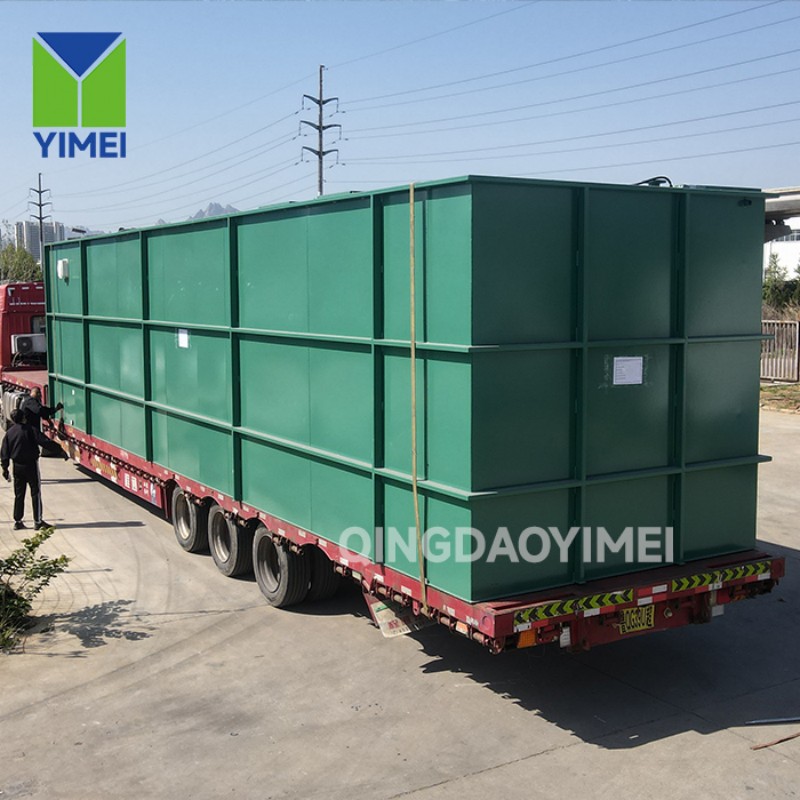
Vendor catalogs often feature impressive contaminant removal rates achieved under perfect laboratory conditions. You must look past the technology hype. True regulatory reliability means the system consistently meets local and federal discharge limits during your worst-case operational scenarios. When evaluating Industrial Wastewater Treatment equipment, demand data reflecting peak organic load spikes. Ask vendors how their biological reactors recover from sudden temperature shocks. A reliable system incorporates redundant sensors and automated diversion valves to isolate off-spec water before it breaches your final discharge point.
Decision-makers frequently make the mistake of focusing solely on the initial capital expenditure (CAPEX). A low-cost system upfront often results in devastating operational expenditure (OPEX) over the next decade. You must conduct a meticulous evaluation of everyday running costs. Calculate the precise volume of consumable chemicals required for pH adjustment and oxidation. Model the membrane replacement frequency based on your specific effluent’s fouling potential. Finally, analyze the electrical energy draw required to run high-pressure RO pumps and aeration blowers 24/7. Balancing initial investment against these persistent operational realities determines the true financial viability of the project.
Pharmaceutical manufacturing facilities rarely remain static. Product pipelines evolve, and production volumes expand. Your wastewater infrastructure must adapt to these changes without requiring a complete structural overhaul. Prioritize modular treatment units. Containerized MBRs or skid-mounted AOP systems allow you to add capacity seamlessly as your plant grows. If you introduce a new drug formulation that generates a different solvent profile, a modular architecture lets you insert a targeted pre-treatment skid without disrupting the existing biological treatment train.
Spatial requirements dictate many engineering decisions, particularly in older brownfield sites. Greenfield installations offer the luxury of sprawling clarifiers and massive equalization tanks. Brownfield upgrades force you to maximize vertical space and select high-rate technologies. Technologies like Moving Bed Biofilm Reactors (MBBR) or MBRs offer significantly smaller footprints compared to conventional activated sludge systems. You must carefully map out piping runs, chemical storage areas, and safe operator access routes within heavily constrained facility layouts.
Theoretical modeling software cannot accurately predict how complex pharmaceutical cocktails will react in a full-scale biological reactor. Bench-scale and pilot-scale trials remain absolutely non-negotiable. You should never accept a vendor proposal lacking site-specific effluent testing. Conducting a rigorous pilot study uncovers hidden chemical incompatibilities and severe fouling tendencies before you commit capital.
Follow these essential pilot testing steps:
Effluent Profiling: Collect continuous wastewater samples over a full 30-day production cycle to capture batch variability.
Bench-Scale Trials: Test various chemical dosing rates and oxidants in a laboratory setting to determine the optimal degradation pathway.
Pilot Unit Deployment: Install a small-scale, skid-mounted version of the proposed technology on-site.
Stress Testing: Deliberately subject the pilot unit to pH shocks and temperature spikes to evaluate biological resilience.
Data Review: Analyze the treated effluent to ensure strict compliance with your local discharge permit limits.
Installing complex infrastructure carries the severe risk of halting active drug production. Engineering teams must plan for meticulous, phased commissioning. You cannot simply flip a switch and transition from the old system to the new one. Facilities usually keep legacy systems operational while bypassing small waste streams to the new equipment. This parallel operational phase allows operators to seed biological reactors and stabilize microbial cultures safely. Schedule the final mechanical cut-overs during planned facility maintenance shutdowns to prevent costly manufacturing bottlenecks.
Even the most sophisticated engineering fails if manual operational errors occur. High-tech filtration and oxidation units require specialized knowledge. You cannot hand over a complex MBR system to untrained personnel. Human error in chemical dosing can instantly wipe out a biological treatment basin. To mitigate this risk, you must assess the necessity of Supervisory Control and Data Acquisition (SCADA) integration. SCADA systems provide remote monitoring, automated alarming, and precise chemical dosing control. They remove the guesswork from daily operations and alert off-site engineers the moment parameters drift out of specification.
When narrowing down your vendor list, aggressively question their marketing materials. Generalized industrial water treatment experience does not translate to pharmaceutical sector competence. Require concrete case studies showing long-term operational stability. Ask for references from facilities dealing with similar API profiles and batch variabilities. A competent vendor will transparently share data demonstrating how their equipment handles sudden solvent dumps or biological toxic shock events.
Your relationship with the equipment manufacturer begins, not ends, at commissioning. Evaluate vendor commitments to ongoing support through Service Level Agreements. Determine their guaranteed emergency response times. A broken high-pressure pump can shut down your factory if spare parts sit on a cargo ship weeks away. Demand clear guarantees regarding local parts availability, routine maintenance audits, and long-term compliance support.
Drafting a highly specific Request for Proposal (RFP) prevents vague vendor bids. A targeted RFP forces suppliers to address your exact operational pain points.
Use this concise 3-step checklist to finalize your RFP:
Define the Baseline: Attach comprehensive laboratory analyses detailing your maximum API concentrations, peak flow rates, and extreme pH ranges.
Establish Hard Boundaries: Clearly state your footprint limitations, available electrical capacity, and specific ZLD or municipal discharge targets.
Require Pilot Commitments: Mandate that all bidding vendors include a detailed schedule and cost breakdown for conducting a 60-day on-site pilot study.
Upgrading wastewater infrastructure is fundamentally a risk-mitigation investment. It protects your facility against crippling regulatory fines, reputational damage, and forced production halts. Modern pharmaceutical effluent is simply too aggressive and complex for legacy treatment methods. Facilities must move beyond basic compliance and embrace proactive resource management.
Stakeholders should prioritize integrated, heavily tested, and highly adaptable systems over off-the-shelf industrial solutions. Engage in rigorous pilot testing, heavily scrutinize operational expenditures, and mandate robust automation. By taking these methodical steps, engineering teams can implement resilient treatment plants that support sustainable, long-term pharmaceutical manufacturing.
A: Pharmaceutical wastewater contains recalcitrant APIs, heavy metals from manufacturing catalysts, and toxic solvents. Unlike standard industrial waste, these micro-pollutants actively resist conventional biological degradation. Furthermore, batch manufacturing processes cause severe, unpredictable fluctuations in pH levels and organic loads. These sudden spikes disrupt and often kill the sensitive microbial cultures used in standard biological treatment tanks.
A: No. A single technology cannot address both massive organic loads and trace micro-pollutants simultaneously. A multi-stage approach is the industry standard for achieving regulatory compliance. Facilities typically deploy biological treatment to remove bulk organics, followed by advanced processes like Reverse Osmosis (RO) or Advanced Oxidation Processes (AOP) to neutralize persistent APIs and ensure safe discharge.
A: Implementing a comprehensive system typically takes 8 to 18 months. This timeline accounts for necessary foundational steps. You must conduct detailed effluent analysis, execute 30-to-60-day pilot testing, and complete custom engineering design. Permitting, equipment fabrication, site installation, and phased biological commissioning add several months to ensure the system operates flawlessly without disrupting factory production.
A: Source separation is critical for cost control and efficiency. Separating highly toxic, solvent-rich, or concentrated API streams at the production source prevents them from contaminating the larger, safer effluent volume. Treating a small volume of highly toxic waste using targeted thermal or chemical methods is significantly cheaper and more efficient than trying to decontaminate millions of gallons of mixed wastewater.


